Step-by-Step Guide to Installing a <a href='http://m.ssslll.cn/tag/liquefied-gas-pump' target='_blank' class='key-tag'><font><strong>liquefied gas pump</strong></font></a>
Step-by-Step Guide to Installing a Liquefied Gas Pump
This detailed step-by-step guide to installing a liquefied gas pump is designed for engineers,
technicians, project managers, and safety professionals who work with liquefied gas systems.
It covers industry?generic information and best practices for installing, commissioning, and
maintaining liquefied gas pumps for liquefied petroleum gas (LPG), liquefied natural gas (LNG),
and similar cryogenic or pressurized liquefied gases.
Table of Contents
- what-is-liquefied-gas-pump">What Is a Liquefied Gas Pump?
- common-liquefied-gases">Common Types of Liquefied Gases
- key-advantages">Key Advantages of a Liquefied Gas Pump System
- pump-types">Main Types of Liquefied Gas Pumps
- technical-specifications">Typical Technical Specifications
- pre-installation-planning">Pre?Installation Planning and Site Assessment
- tools-materials">Tools, Materials, and Documentation Checklist
- step-by-step-installation">Step?by?Step Installation Procedure
- electrical-instrumentation">Electrical and Instrumentation Connections
- commissioning-testing">Commissioning, Testing, and Start?Up
- operation-maintenance">Safe Operation and Routine Maintenance
- troubleshooting">Basic Troubleshooting Guide
- safety-standards">Safety Standards and Regulatory Considerations
- faq">Frequently Asked Questions
1. What Is a Liquefied Gas Pump?
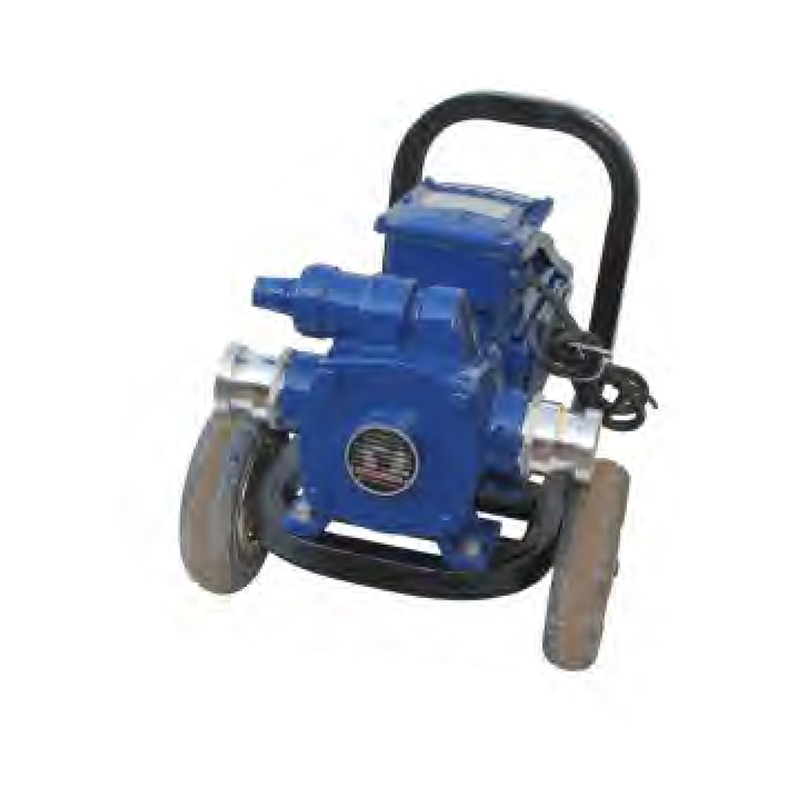
A liquefied gas pump is a specialized industrial pump used to transfer gases that are stored and
transported in liquefied form under pressure and/or at low temperature. Typical applications
include LPG (propane–butane mixtures), LNG (liquefied natural gas), ammonia, carbon dioxide,
and other process liquefied gases used in energy, petrochemical, and industrial gas sectors.
Unlike pumps for ambient?temperature liquids, a liquefied gas pump must handle:
- High vapor pressure fluids that tend to flash and cavitate.
- Low temperature (cryogenic) conditions in the case of LNG and some industrial gases.
- Strict safety requirements due to flammability, toxicity, or asphyxiation hazards.
In a liquefied gas system, the pump is usually installed near or inside a storage tank and
connected to a pipeline network that delivers the liquid to filling stations, process
equipment, vaporizers, or loading arms.
2. Common Types of Liquefied Gases Handled by Liquefied Gas Pumps
Different liquefied gases have different properties that influence pump selection, installation,
and operating conditions. The table below summarizes typical examples.
Liquefied Gas |
Typical Storage Condition |
Main Hazards |
Common Uses |
|---|
LPG (Propane / Butane) |
Ambient temperature, medium pressure |
Flammable, explosive atmosphere |
Fuel distribution, heating, automotive LPG, industrial processes |
LNG (Liquefied Natural Gas) |
Cryogenic temperature (~ -162 °C), low to medium pressure |
Flammable, cryogenic burns, asphyxiation |
Power generation, marine fuel, gas distribution |
Liquid Ammonia |
Moderate temperature, pressure |
Toxic, corrosive, environmental hazard |
Fertilizer production, refrigeration |
Liquid CO2 |
Low temperature, high pressure |
Asphyxiation, high pressure |
Beverage, food processing, fire suppression |
Other Cryogenic Gases (LOX, LIN, LAr) |
Cryogenic temperature |
Cryogenic burns, oxygen enrichment, asphyxiation |
Industrial gas supply, laboratories, medical |
3. Key Advantages of a Liquefied Gas Pump System
Installing a dedicated liquefied gas pump system provides several technical and operational
advantages, particularly for LPG and LNG facilities.
- Efficient Transfer of High Vapor Pressure Fluids
Liquefied gas pumps are engineered to handle flashing and two?phase flow, reducing
cavitation and ensuring continuous transfer even under challenging suction conditions.
- Improved Safety and Control
A well?designed liquefied gas pump installation simplifies isolation, pressure control,
and emergency shutdown procedures, reducing risk during normal operation and abnormal
situations.
- Higher Flow Rates and Stable Pressure
Compared with gravity feed systems or compressors alone, pump?based systems provide
controlled discharge pressure and higher, more stable flow rates for filling and
off?loading operations.
- Energy Efficiency
Properly selected liquefied gas pumps reduce the need for vapor compression and re?liquefaction,
improving overall energy efficiency of the liquefied gas plant.
- Flexibility in System Layout
Pumps allow liquefied gases to be moved over longer distances and elevation differences,
enabling flexible design of terminals, tank farms, and distribution networks.
4. Main Types of Liquefied Gas Pumps
Several pump designs are commonly used in liquefied gas service. The selection depends on the
fluid, required flow rate, head, temperature, and installation constraints.
4.1 Positive Displacement Liquefied Gas Pumps
Positive displacement pumps move a fixed volume of liquid per cycle. For liquefied gas service
they are often used for metered transfer and truck loading.
- Rotary vane pumps
- Gear pumps
- Screw pumps
- Reciprocating piston pumps
These pumps maintain relatively constant flow regardless of discharge pressure, but require
relief valves and proper suction side design to avoid cavitation and vapor lock.
4.2 Centrifugal Liquefied Gas Pumps
Centrifugal liquefied gas pumps use a rotating impeller to impart velocity to the liquid. They
are widely used for:
- Tank transfer and circulation
- Pipeline boosting
- General loading and unloading
Multi?stage designs can achieve higher heads, while submerged or in?tank designs reduce NPSH
requirements and minimize external leak paths.
4.3 Submerged and In?Tank Liquefied Gas Pumps
Submerged liquefied gas pumps are installed inside the storage tank, fully immersed in the
liquefied gas. Typical features include:
- Reduced risk of external product leakage.
- High NPSH available due to direct submergence.
- Compact footprint and minimal external piping.
4.4 Cryogenic Pumps for LNG and Low?Temperature Gases
Cryogenic liquefied gas pumps are specially designed to handle very low temperatures and
maintain mechanical clearances under thermal contraction. They can be:
- Submerged cryogenic centrifugal pumps in LNG tanks.
- Reciprocating cryogenic pumps for high pressure gasification systems.
Materials, seals, bearings, and insulation systems are selected specifically for cryogenic
conditions.
5. Typical Technical Specifications for Liquefied Gas Pumps
The following tables summarize typical specification ranges for liquefied gas pumps. Actual
values depend on project requirements and applicable codes.
5.1 General Performance Parameters
Parameter |
Typical Range |
Notes for Liquefied Gas Service |
|---|
Flow Rate |
1 – 1,000 m3/h or higher |
Depends on tank size, loading rate, and process demand. |
Discharge Head / Pressure |
10 – 2,000 m or 2 – 200 bar |
Higher heads often required for truck loading or pipeline transfer. |
Operating Temperature |
-162 °C to +60 °C |
From cryogenic LNG to ambient LPG conditions. |
NPSH Required (NPSHr) |
0.5 – 10 m |
Low NPSHr is critical to avoid cavitation in liquefied gases. |
Motor Power |
1 – 500 kW or higher |
Depends on flow, head, efficiency, and fluid properties. |
Design Pressure |
Up to 40 bar or more |
Determined by maximum allowable working pressure of system. |
5.2 Materials and Construction
Component |
Typical Materials |
Key Considerations |
|---|
Casing / Housing |
Carbon steel, stainless steel, low temperature alloy |
Compatibility with liquefied gas, temperature, and corrosion environment. |
Impeller / Rotating Parts |
Stainless steel, bronze, special alloys |
Strength at operating temperature, resistance to erosion and corrosion. |
Shaft Seals |
Mechanical seals, canned motor designs, magnetic couplings |
Minimizing external leakage of liquefied gas and emissions. |
Bearings |
Self?lubricated, product?lubricated, or external lubricated |
Reliable operation with low?viscosity liquefied gases and at low temperature. |
Gaskets / O?Rings |
PTFE, elastomers compatible with LPG / LNG |
Chemical compatibility and performance at low temperature. |
5.3 Typical Instrumentation and Safety Devices
Device |
Function |
Typical Location |
|---|
Suction Pressure Gauge / Transmitter |
Monitor NPSH available and tank conditions. |
On pump suction nozzle or upstream line. |
Discharge Pressure Gauge / Transmitter |
Control discharge pressure and detect overpressure. |
On pump discharge nozzle or downstream line. |
Flow Meter |
Measure transfer volume for custody transfer or process control. |
Downstream of pump, often near loading point. |
Temperature Sensors |
Monitor liquefied gas temperature, prevent overheat. |
Suction line, pump casing, tank connections. |
Vibration Sensors |
Detect mechanical issues and early pump damage. |
On pump bearing housings. |
Gas Detection Sensors |
Detect leaks and elevated vapor concentration. |
Around pump skid and low?lying areas. |
Emergency Shutdown (ESD) Valves |
Isolate pump and tank during emergency. |
Suction and discharge lines, remote?operated. |
Pressure Relief Valves |
Protect system from overpressure. |
Discharge line, pump casing, associated vessels. |
6. Pre?Installation Planning and Site Assessment
Proper planning is essential before installing a liquefied gas pump. An organized approach
improves safety, reliability, and long?term performance.
6.1 Define the Liquefied Gas Service
- Identify the exact liquefied gas: LPG, LNG, ammonia, CO2, or others.
- Gather properties: vapor pressure, density, viscosity, boiling point.
- Determine minimum and maximum operating temperature and pressure.
6.2 Determine Capacity and Duty Conditions
- Define required flow rate for transfer or loading operations.
- Define suction conditions (tank level, line losses, NPSH available).
- Define discharge conditions (pipeline length, elevation, downstream equipment).
- Consider normal, minimum, and maximum flow scenarios.
6.3 Evaluate Site Layout and Pump Location
- Locate the pump as close as practical to the storage tank.
- Ensure suction line is short, with minimal elbows and pressure drop.
- Provide adequate access for maintenance, lifting, and removal.
- Consider drainage and containment for spill control.
- Ensure proper ventilation and avoidance of vapor pockets.
6.4 Structural and Foundation Considerations
- Assess soil bearing capacity and need for concrete foundations.
- Design foundations to limit vibration and maintain alignment.
- Provide anchor bolts sized for static and dynamic loads.
- In seismic regions, consider local seismic design requirements.
6.5 Safety and Hazard Assessment
- Conduct a hazard and operability study (HAZOP) or similar analysis.
- Define hazardous zones for electrical equipment classification.
- Plan for emergency shutdown, venting, and fire protection measures.
- Check clearances from ignition sources and occupied buildings.
7. Tools, Materials, and Documentation Checklist
Before beginning the installation process, confirm that all necessary tools, materials, and
documents are available. This reduces delays and improves installation quality.
7.1 Essential Tools and Equipment
- Mechanical tools: spanners, torque wrenches, screwdrivers, pullers, alignment tools.
- Pipefitting tools: pipe cutters, threaders (if applicable), flaring tools, welding equipment (if permitted).
- Measuring tools: levels, tape measures, vernier calipers, dial indicators.
- Lifting equipment: cranes, chain blocks, slings, shackles, spreader beams.
- Electrical tools: multimeters, insulation testers, cable crimpers, glanding tools.
- Instrumentation tools: pressure gauges, temperature sensors, communication testers.
- Safety equipment: gas detectors, fire extinguishers, spill kits.
7.2 Materials and Components
- Liquefied gas pump and motor assembly (or submerged pump unit).
- Suction and discharge piping, fittings, flanges, gaskets, and fasteners.
- Isolation valves, check valves, relief valves, strainers, filters.
- Flexible couplings, baseplate, and grout materials.
- Cable trays, cables, junction boxes, and control panels.
- Instrumentation devices (pressure, temperature, flow, level transmitters).
- Support structures, pipe supports, and expansion compensators, if needed.
7.3 Documentation and Drawings
- Pump datasheets and general arrangement drawings.
- Piping and instrumentation diagrams (P&IDs).
- Foundation drawings and anchor bolt plans.
- Electrical single?line diagrams and wiring schematics.
- Control system logic, cause?and?effect matrices, and ESD interlocks.
- Manufacturer’s installation, operation, and maintenance (IOM) manual.
- Applicable codes, standards, and site safety procedures.
8. Step?by?Step Installation Procedure for a Liquefied Gas Pump
The following step?by?step guide focuses on a typical horizontal liquefied gas pump installed
on a concrete foundation outside a storage tank. Adjust the details for vertical, submerged, or
cryogenic pump configurations according to the manufacturer’s instructions and site standards.
8.1 Step 1 – Verify Equipment and Documentation
- Inspect the pump and motor on receipt for shipping damage.
- Verify model, materials, and nameplate data against project specifications.
- Check that all accessories (couplings, guards, fasteners, instruments) are delivered.
- Review the IOM manual and any project?specific installation procedures.
8.2 Step 2 – Inspect and Prepare the Foundation
- Confirm that the concrete foundation has achieved required strength.
- Check foundation surface levelness, cleanliness, and dimension.
- Position and secure anchor bolts as per the foundation drawing.
- Install grout forms and plan grout pour sequence, if grouting is required.
8.3 Step 3 – Position the Baseplate
- Place the pump baseplate on shims or leveling wedges over anchor bolts.
- Roughly level the baseplate using a precision level.
- Ensure adequate clearance for suction and discharge piping routes.
- Check that there is access to coupling, mechanical seal area, and bearings.
8.4 Step 4 – Install Pump and Motor on Baseplate
- Mount the pump on the baseplate using specified bolts and washers.
- Install the motor on its mounting position, leaving coupling dismantled for alignment.
- Verify that shaft centerlines are approximately aligned (no major offset).
- Check that motor rotation direction can match the pump’s required direction.
8.5 Step 5 – Perform Initial Alignment
Correct alignment is critical to liquefied gas pump reliability. Misalignment can cause
vibration, seal failures, and bearing wear. Perform alignment as follows:
- Use a straightedge and feeler gauges for rough alignment.
- Adjust motor position to minimize angular and parallel misalignment.
- Use dial indicators or laser alignment tools for final precision alignment.
- Record alignment readings for future reference.
8.6 Step 6 – Grout the Baseplate
- Once initial alignment is complete and checked, pour non?shrink grout beneath the baseplate.
- Allow grout to cure according to manufacturer’s recommendations.
- Recheck baseplate levelness and alignment after grout curing.
8.7 Step 7 – Final Alignment and Coupling Installation
- Re?check alignment after grout cure and any foundation settlement.
- Perform precision alignment within the tolerances recommended by the manufacturer.
- Install the flexible coupling and coupling guard when alignment is satisfied.
- Ensure the guard fully covers rotating parts and meets safety requirements.
8.8 Step 8 – Install Suction Piping
The suction line in a liquefied gas pump system is especially sensitive because of high vapor
pressure and risk of cavitation. Follow good piping practices:
- Use pipe size large enough to keep suction velocity low (typically below 1–2 m/s).
- Keep suction line short and direct with minimal elbows and fittings.
- Avoid high points that could trap vapor and cause vapor lock.
- Install a strainer or filter if specified, ensuring minimal pressure drop.
- Support piping independently to avoid loading the pump nozzles.
- Install a block valve and, if required, an emergency shutdown valve near the tank.
8.9 Step 9 – Install Discharge Piping
- Connect discharge line with appropriate flanges, gaskets, and fasteners.
- Install a check valve to prevent reverse flow and water hammer.
- Install isolation valves and, where required, a control valve for flow or pressure control.
- Provide pressure relief valves and overpressure protection as per code.
- Support discharge piping to prevent strain on pump nozzles.
- Include drain and vent connections for maintenance and purging.
8.10 Step 10 – Install Instruments and Safety Devices
- Install pressure gauges or transmitters on suction and discharge lines.
- Mount temperature sensors in strategic locations, such as suction line and pump casing.
- Install flow meters downstream of the pump for monitoring and custody transfer.
- Fit gas detectors and alarm systems near the pump and low?lying areas.
- Implement emergency shutdown push?buttons and interlock signals according to the safety philosophy.
8.11 Step 11 – Flushing and Cleaning
- Clean suction and discharge lines to remove debris, welding slag, and foreign matter.
- Conduct mechanical cleaning or flushing with a compatible fluid if specified.
- Ensure strainers and filters are installed and cleaned after initial flushing.
9. Electrical and Instrumentation Connections
Electrical and control system installation is critical for safe and reliable liquefied gas pump
operation, especially in hazardous areas where liquefied gas vapors may be present.
9.1 Motor Power Supply and Protection
- Verify motor voltage, frequency, and power rating against the electrical design.
- Install appropriately rated motor starters, contactors, or variable speed drives (VSDs).
- Provide overload protection and short?circuit protection as required.
- Ensure motor and starters are certified for the appropriate hazardous area classification.
9.2 Grounding and Bonding
- Connect pump, motor, and metal structures to the plant grounding system.
- Ensure continuity of bonding to reduce static discharge risk when transferring liquefied gas.
- Verify resistance to ground is within site and code requirements.
9.3 Control and Instrumentation Wiring
- Route control cables in designated cable trays away from high?power cables when possible.
- Terminate sensor wiring in junction boxes and control panels as per wiring diagrams.
- Implement shielded cables and proper grounding for sensitive analog signals.
- Check proper polarity, loop power, and communication protocols (e.g., 4–20 mA, HART, fieldbus).
9.4 Interlocks and Safety Systems
- Implement automatic shutdown on low suction pressure, high discharge pressure, or high motor current.
- Integrate gas detectors and fire detection systems with the emergency shutdown system.
- Configure permissive logic so the pump can start only under safe conditions (e.g., valves open, no alarm).
- Test all interlocks and ESD functions as part of commissioning.
10. Commissioning, Testing, and Start?Up
Proper commissioning ensures that the liquefied gas pump is installed correctly and ready for
safe operation under design conditions. Follow a systematic approach.
10.1 Pre?Commissioning Checks
- Verify all mechanical fasteners are properly tightened and secured.
- Confirm that coupling guards and protective covers are in place.
- Check lubrication of bearings and seals according to the IOM manual.
- Ensure that suction and discharge pipelines are fully supported.
- Verify that valves are in the correct initial positions (e.g., suction open, discharge closed for priming).
10.2 Electrical and Instrumentation Verification
- Test motor insulation resistance and continuity.
- Perform no?load motor rotation check (without product) to verify rotation direction.
- Calibrate pressure, temperature, and flow instruments.
- Verify communications with the control system and alarms in the control room.
10.3 System Purging and Cool?Down (If Applicable)
- For cryogenic liquefied gas pumps, gradually cool down the system to avoid thermal shock.
- Purge lines with inert gas if required to remove air or moisture.
- Monitor temperature gradients to stay within allowable rate of change for pump materials.
10.4 First Fill and Priming
- Open suction valve slowly to fill the pump casing with liquefied gas.
- Vent trapped vapor from high points as per procedure.
- Ensure the pump is fully primed with liquid before starting.
10.5 Initial Start?Up
- Start the pump according to the control system sequence.
- Gradually open discharge valve once the pump is at speed.
- Monitor suction and discharge pressures, flow rate, vibration, and temperature.
- Check for abnormal noise, leaks, or overheating.
10.6 Performance Testing
- Measure pump head, flow, and power consumption at different operating points.
- Compare measured data with manufacturer’s performance curves.
- Confirm operation within the preferred operating range for efficiency and reliability.
- Document test results and keep them in the pump’s maintenance records.
11. Safe Operation and Routine Maintenance
Long?term reliability of a liquefied gas pump depends on both proper operation and systematic
maintenance. Operators should be trained in the specific characteristics of liquefied gas service.
11.1 General Operating Guidelines
- Avoid running the liquefied gas pump dry or under conditions of vapor lock.
- Keep the pump within its recommended flow range (not too far left or right of best efficiency point).
- Operate valves slowly to prevent hydraulic shocks and pressure transients.
- Regularly monitor instrumentation readings and trends for early detection of issues.
11.2 Routine Maintenance Activities
- Inspect pump and piping for signs of leaks or frost formation indicating cold leaks.
- Check and log vibration levels on a regular schedule.
- Inspect mechanical seals and packing; replace as per condition or schedule.
- Change or replenish lubrication oil and grease according to manufacturer’s intervals.
- Periodically flush strainers and filters to remove accumulated debris.
11.3 Predictive and Preventive Maintenance
- Implement vibration analysis and condition monitoring techniques.
- Use thermal imaging on motors, bearings, and electrical panels.
- Plan scheduled overhauls during plant shutdowns or low?demand periods.
- Maintain spare parts inventory for critical components such as seals and bearings.
11.4 Documentation and Training
- Keep detailed maintenance logs and performance records.
- Regularly review and update operating procedures and emergency response plans.
- Provide specific training on liquefied gas properties, hazards, and pump operation.
12. Basic Troubleshooting Guide for Liquefied Gas Pumps
The following table summarizes common operating issues in liquefied gas pump systems and
possible causes and corrective actions. Always follow site safety rules during troubleshooting.
Symptom |
Possible Causes |
Recommended Actions |
|---|
Pump fails to deliver liquid or loses prime |
- Insufficient NPSH or high suction line losses.
- Vapor lock due to trapped gas in suction.
- Suction valve partially closed or blocked.
- Leak in suction line drawing in air or vapor.
|
- Check suction pressure and tank level.
- Remove high points or install vents in suction line.
- Fully open suction valve and clean strainers.
- Inspect and repair any leaks.
|
Excessive vibration or noise |
- Misalignment between pump and motor.
- Cavitation from low suction head.
- Mechanical damage to impeller or bearings.
- Loose foundation bolts or pipe supports.
|
- Check and correct alignment.
- Increase suction head or decrease flow.
- Inspect internals and replace damaged parts.
- Tighten bolts and stabilize piping.
|
Low discharge pressure or flow |
- Wear of impeller or internal clearances.
- Partial blockage in suction or discharge lines.
- Incorrect speed or motor issues.
- Relief valve stuck open or leaking.
|
- Inspect pump internals and restore clearances.
- Clean piping, valves, and strainers.
- Check motor performance and control settings.
- Test and repair relief valves.
|
Seal leakage or frequent seal failures |
- Incorrect seal type for liquefied gas service.
- Excessive shaft runout or misalignment.
- Inadequate cooling or lubrication of seal faces.
- Pressure surges or operation outside design limits.
|
- Select seals specifically rated for LPG/LNG service.
- Check shaft condition and realign coupling.
- Ensure seal flush or cooling system is operating.
- Operate within design range and avoid frequent starts/stops.
|
Motor overheating |
- Overloading due to high discharge pressure.
- High ambient temperature or poor ventilation.
- Electrical issues or unbalanced voltage.
- Mechanical binding in pump or coupling.
|
- Verify operating point and adjust system resistance.
- Improve ventilation or cooling for motor.
- Check electrical supply and correct imbalance.
- Inspect pump for mechanical rubbing or misalignment.
|
13. Safety Standards and Regulatory Considerations
Installing a liquefied gas pump involves not only mechanical and electrical engineering but
also compliance with safety and regulatory requirements. Although the applicable standards
vary by country and region, the following considerations are typical for liquefied gas systems.
- Pressure Equipment and Piping Codes
Ensure that pumps, piping, valves, and vessels meet relevant pressure equipment standards
and are certified for the maximum allowable working pressure.
- Electrical Hazardous Area Classification
Classify areas around the liquefied gas pump according to gas group, temperature class,
and zone or division classification. Use electrical equipment with appropriate explosion
protection markings.
- Fire Protection and Emergency Response
Provide fire extinguishers, fire water monitors, or fixed fire suppression systems according
to the risk assessment. Establish emergency response plans for leaks, fires, and spills.
- Gas Detection and Ventilation
Install flammable gas detectors and toxic gas detectors where applicable. Ensure adequate
mechanical or natural ventilation to prevent accumulation of vapors.
- Training and Permits
Train personnel in liquefied gas hazards, confined space entry, hot work, and lockout/tagout.
Use permit?to?work systems for non?routine or high?risk tasks.
14. Frequently Asked Questions About Liquefied Gas Pump Installation
14.1 How is installing a liquefied gas pump different from installing a water pump?
A liquefied gas pump operates with fluids that have much higher vapor pressure and may be
cryogenic or hazardous. Installation must account for NPSH, risk of vapor lock, leak?tight
connections, hazardous area electrical requirements, gas detection, and emergency shutdown
systems, which are less critical in typical water pump installations.
14.2 Can a standard centrifugal pump be used as a liquefied gas pump?
Standard centrifugal pumps designed for ambient liquids are usually not suitable. A liquefied
gas pump requires specific design considerations for low temperature, high vapor pressure,
and sealing integrity. Always use pumps specifically rated and certified for LPG, LNG, or other
liquefied gas services.
14.3 Where should a liquefied gas pump be located relative to the storage tank?
Whenever possible, install the liquefied gas pump at or below the minimum liquid level in the
storage tank to ensure positive suction head. A short, direct suction line with minimal
pressure drop reduces the risk of cavitation and improves pump performance.
14.4 Is variable speed control recommended for liquefied gas pumps?
Variable speed drives can be beneficial for regulating flow and reducing energy consumption,
especially in systems with varying demand. However, for liquefied gas pumps, speed must be
carefully coordinated with NPSH available and system hydraulics to avoid cavitation and
unstable operation.
14.5 How often should liquefied gas pumps be maintained?
Maintenance intervals depend on the operating duty, environment, and manufacturer’s
recommendations. Routine visual inspections and monitoring may be weekly, vibration and
performance trend analysis monthly or quarterly, and major overhauls every few years or during
scheduled plant shutdowns.
15. Conclusion
Installing a liquefied gas pump requires careful attention to fluid properties, safety,
mechanical design, piping layout, and control systems. By following a structured, step?by?step
installation process and adhering to relevant standards, operators can achieve safe, efficient,
and reliable transfer of LPG, LNG, and other liquefied gases. Thorough planning, accurate
alignment, appropriate materials selection, and robust commissioning are essential to the long?term
performance of any liquefied gas pump installation.
```

 Pусский
 ???????
 中文
中文








 Phone
Phone
Comment
(0)