Key Features of Modern Explosion Proof Submersible Pumps
Explosion proof submersible pumps play a critical role in handling liquids in hazardous locations where flammable gases, vapors, or dusts may be present. Modern designs combine advanced explosion protection technology with efficient hydraulics and smart monitoring systems. This guide provides a comprehensive, SEO-friendly overview of the key features, definitions, specifications, advantages, and application considerations of contemporary explosion proof submersible pump technology.
What Is an Explosion Proof Submersible Pump?
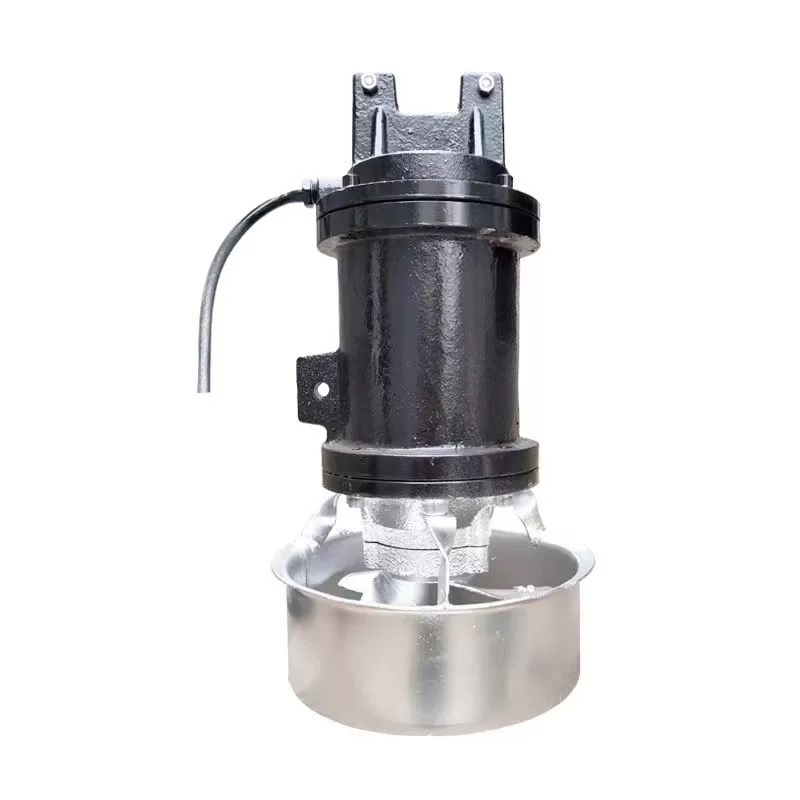
An explosion proof submersible pump is a fully submersible pumping unit designed and certified for use in hazardous areas where an explosive atmosphere could exist. The motor and electrical components are protected so that any internal ignition will not propagate to the surrounding environment. These pumps are installed below the liquid surface and are typically used for:
- Flammable and combustible liquids
- Wastewater and sewage in hazardous zones
- Chemicals and hydrocarbons in refineries and terminals
- Industrial process drains and sumps with explosive gases
The core concept is that the submersible pump is built to meet explosion proof standards such as ATEX, IECEx, NEC, IEC, or related regional codes, while still offering high hydraulic efficiency and long service life.
Explosion Proof vs. Standard Submersible Pumps
While standard submersible pumps are suitable for non-hazardous environments, explosion proof submersible pumps are engineered for areas where a single spark could trigger an explosion. The primary differences include:
- Reinforced and sealed motor enclosure to contain explosions
- Special cable entries and glands to prevent gas ingress
- Temperature control devices to avoid hot surfaces
- Certification and labeling for specific hazardous zones or divisions
- Use of robust materials and coatings compatible with corrosive and flammable media
Typical Applications of Explosion Proof Submersible Pumps
Modern explosion proof submersible pumps are widely used in industries that handle volatile, combustible, or explosive materials. Common applications include:
- Oil and Gas Industry – Crude oil transfer, produced water, sump drainage, tank bottom pumping, offshore platforms, drilling muds, and petrochemical process units.
- Chemical and Petrochemical Plants – Corrosive liquids, solvents, alcohols, acids, and flammable chemical waste streams handled in hazardous areas.
- Refineries and Fuel Terminals – Loading and unloading areas, pump pits, drainage sumps, floating roof tank drains, and bunded areas where flammable vapors may accumulate.
- Mining and Tunneling – Hazardous methane environments, coal mines, underground drainage, and dewatering in explosive atmospheres.
- Wastewater Treatment in Hazardous Zones – Industrial wastewater, sewage lift stations, and sludge handling where explosive gases such as methane or hydrogen sulfide can be present.
- Food, Beverage, and Biofuels – Alcohol production, distilleries, breweries, bioethanol and biodiesel plants, and sugar mills with explosive dust or vapors.
- Paint, Coating, and Solvent Handling – Paint booths, solvent storage, degreasing baths, and coating lines with flammable solvents and vapors.
Key Design Features of Modern Explosion Proof Submersible Pumps
Modern explosion proof submersible pumps integrate a series of design features that improve safety, performance, reliability, and maintenance efficiency. The following sections detail the most important aspects.
1. Explosion Proof Motor Construction
The motor is the most critical component of an explosion proof submersible pump. To prevent ignition of the ambient atmosphere, the motor is designed with:
- Flameproof or Explosion Proof Enclosure – A robust, gas-tight housing that can withstand an internal explosion without rupturing and without transmitting flame or hot gases to the outside environment.
- Reinforced End Covers and Flanges – Precision-machined joints with narrow gaps to cool and quench any escaping gases.
- Gas-Tight Cable Entry – Certified cable glands or molded cable entry systems specifically tested for hazardous locations.
- Sealed Terminal Box – Internal connections are contained within an explosion proof or encapsulated terminal chamber.
- High-Temperature Class Insulation – Motor windings are typically insulated to Class F or Class H to handle high temperatures without degradation.
2. Mechanical Seals and Shaft Protection
Because explosion proof submersible pumps operate fully submerged, robust sealing is essential. Modern units often include:
- Dual Mechanical Seals – Two mechanical seals in tandem or back-to-back arrangement to provide redundant sealing between the pumped liquid and the motor.
- Seal Materials – Hard-face materials such as silicon carbide, tungsten carbide, or ceramic are used for long service life in abrasive or chemically aggressive liquids.
- Oil-Filled Seal Chamber – An oil-filled chamber lubricates the seals and acts as a buffer against the pumped medium.
- Seal Monitoring Options – Moisture sensors or leakage detectors in the seal chamber to provide early warning of seal failure.
- Shaft Sleeves – Replaceable sleeves at seal and bearing positions to protect the shaft from wear and corrosion.
3. Corrosion Resistant and Robust Construction
Explosion proof submersible pumps must withstand harsh operating conditions. Typical construction features include:
- Cast Iron or Ductile Iron Housings – Provide mechanical strength and resistance to impact in industrial environments.
- Stainless Steel Components – Shafts, fasteners, impellers, and wear parts may use stainless steel for improved corrosion resistance.
- Special Alloys and Coatings – In highly corrosive liquids, duplex stainless steel, nickel alloys, or epoxy coatings can extend pump life.
- Robust Lifting Points – Designed for safe lifting and installation using chains, cables, or hoists in hazardous pits or tanks.
4. Hydraulic Design and Impeller Options
Modern explosion proof submersible pumps are available with a wide range of hydraulic designs to suit different flow and solids-handling requirements:
- Closed Impellers – Provide high efficiency for clean or slightly contaminated liquids.
- Semi-Open and Vortex Impellers – Used for liquids containing solids, fibers, or sludge with lower risk of clogging.
- Channel Impellers – One, two, three, or multi-channel designs for sewage, wastewater, and industrial effluents.
- Cutter or Grinder Systems – For applications where solids need to be macerated to reduce clogging and blockage.
- Anti-Clog Features – Wide free passages, specially shaped impeller vanes, and optimized volute design to reduce maintenance.
5. Cooling and Thermal Management
Temperature control is essential in explosion proof submersible motors to avoid excessive surface temperatures that could ignite explosive atmospheres. Key features include:
- Submerged Operation Cooling – The surrounding liquid cools the motor housing as the pump operates.
- Internal Cooling Jackets – Some designs include cooling jackets for proper heat dissipation, especially in dry-pit installations.
- Thermal Overload Protection – Thermal sensors embedded in the windings to switch off the motor before overheating.
- Temperature Class Compliance – The design ensures compliance with temperature classes (e.g. T4, T3) specified in hazardous area standards.
6. Bearing Systems and Vibration Control
Reliability of explosion proof submersible pumps depends heavily on robust bearings and smooth running:
- Heavy-Duty Bearings – Deep groove ball bearings or angular contact bearings sized for long life under axial and radial loads.
- Lubricated and Sealed Bearings – Grease or oil lubrication with proper sealing to keep contaminants out.
- Balanced Rotors – Precision balancing to minimize vibration and noise, protecting the motor and seals.
- Vibration Monitoring – Optional vibration sensors for predictive maintenance in critical applications.
7. Power Cable and Cable Entry Design
Proper cable design and entry systems are vital in hazardous areas:
- Explosion Proof Cable Entries – Certified glands, bushings, or molded entries prevent gas ingress along the cable.
- Chemical Resistant Outer Sheath – Power cable sheathing is resistant to oils, hydrocarbons, and chemicals in the pumped medium.
- Integrated Strain Relief – Prevents mechanical load from damaging cable terminations.
- Optional Control and Monitoring Cores – Additional conductors for sensors, thermal switches, and monitoring devices.
8. Monitoring, Protection, and Control Features
Smart monitoring solutions enhance the safety and reliability of modern explosion proof submersible pumps:
- Thermal Sensors – PTC thermistors or thermal switches embedded in the windings for temperature monitoring and motor protection.
- Moisture and Leakage Sensors – Detect ingress of water into the motor or seal chamber.
- Current and Voltage Protection – Overload, under-voltage, and phase-failure relays protect the motor from electrical faults.
- Protection Relays for Hazardous Areas – Special relays designed and certified for hazardous locations.
- Integration with SCADA and PLC Systems – Remote monitoring and control of pump operation, alarms, and status.
Explosion Proof Standards and Certifications
Modern explosion proof submersible pumps must comply with relevant international and regional standards. These certifications demonstrate that the pump has been tested and approved for use in specified hazardous areas.
Common Hazardous Area Classification Systems
- ATEX (Europe) – Directives 2014/34/EU for equipment and 1999/92/EC for workplaces. Zones 0, 1, and 2 for gases; Zones 20, 21, and 22 for dusts.
- IECEx (International) – IEC standards for equipment in explosive atmospheres, harmonized with many national systems.
- NEC / NFPA (North America) – Class I, II, III divisions and zones for explosive gases, dust, and fibers in the United States and Canada.
Typical Markings for Explosion Proof Submersible Pumps
Explosion proof submersible pumps carry labels indicating their certification and operating limitations. An ATEX marking example might include:
- Ex d IIB T4 Gb
- Ex d IIC T3 Gb
- Ex db IIB T4 Gb
These markings specify:
- Protections type (e.g. Ex d = flameproof)
- Gas group (IIB, IIC, etc.)
- Temperature class (T1–T6)
- Equipment protection level (Ga, Gb, Gc, etc.)
Advantages of Explosion Proof Submersible Pumps
Explosion proof submersible pumps deliver several operational and safety-related advantages in hazardous environments:
- Enhanced Safety – Designed to prevent ignition of explosive atmospheres, reducing the risk of catastrophic accidents.
- Compliance with Regulations – Certified to major international standards, simplifying compliance with legal safety requirements.
- Compact and Space-Saving – Submersible design eliminates the need for large pump rooms and long suction lines.
- Reduced Noise – Operating under liquid reduces acoustic emissions, beneficial in sensitive environments.
- Self-Priming Operation – Submerged installation eliminates priming issues present in surface-mounted pumps.
- Efficient Solids Handling – Specialized impeller and hydraulics can handle solids, fibrous materials, and viscous fluids.
- Lower Risk of Leakage – No long shaft seals or couplings at the surface; fewer potential leakage points.
Key Performance Parameters and Specifications
When selecting or comparing modern explosion proof submersible pumps, consider these common performance parameters:
- Flow Rate (Q) – Usually expressed in m3/h (cubic meters per hour) or gpm (gallons per minute).
- Head (H) – Maximum delivery head in meters or feet.
- Power Rating (P) – Motor power in kW or HP.
- Efficiency – Overall pump efficiency at key operating points.
- Maximum Submergence Depth – Maximum safe installation depth below liquid level.
- Liquid Temperature Range – Minimum and maximum permissible fluid temperature.
- pH and Chemical Compatibility – Acceptable range of pH and media composition.
- Solids Handling Capacity – Maximum solids size and concentration.
- Enclosure and IP Class – Protection level (e.g. IP68) for submersible applications.
Typical Technical Data Table (Example)
| Parameter | Typical Range / Description |
| Pump Type | Explosion proof submersible pump |
| Installation | Fully submerged (wet pit) or dry-pit with cooling jacket |
| Power Rating | 0.75 kW – 250 kW (1 HP – 335 HP) and above |
| Voltage and Frequency | 380–690 V, 50 Hz or 460–600 V, 60 Hz (others on request) |
| Flow Rate | Up to 5000 m3/h or higher, depending on model |
| Head | Up to 100 m or more for multistage designs |
| Max. Submergence Depth | Typically 20 – 30 m, special designs up to 100 m |
| Liquid Temperature | 0 – 40 °C standard; higher temperatures on request |
| Solids Size | Up to 100 mm or more, depending on impeller type |
| pH Range | Typically pH 4 – 10 (application-dependent) |
| Motor Enclosure | Explosion proof / flameproof, IP68 |
| Hazardous Area Approval | ATEX, IECEx, NEC, or equivalent depending on region |
| Materials (Casing) | Cast iron, ductile iron, stainless steel, or special alloys |
| Materials (Impeller) | Cast iron, stainless steel, duplex or hardened alloys |
| Mechanical Seals | Dual mechanical seals in oil chamber, SiC/SiC, TC/TC, etc. |
| Temperature Class | T4, T3, or as specified by hazardous area classification |
| Cooling Method | Submerged cooling or cooling jacket for dry installation |
Material Options for Explosion Proof Submersible Pumps
Material selection is essential to ensure chemical compatibility, durability, and long-term performance. Common options include:
| Component | Typical Materials | Characteristics / Use |
| Casing / Volute | Cast iron, ductile iron, stainless steel | High strength, good wear resistance, corrosion protection with coatings |
| Impeller | Cast iron, stainless steel, duplex stainless, hardened alloys | Balanced between efficiency, solids-handling, and corrosion resistance |
| Shaft | Stainless steel (AISI 304 / 316), duplex | Corrosion resistance and mechanical strength |
| Mechanical Seal Faces | Silicon carbide, tungsten carbide, ceramic, carbon | Wear resistance, low friction, suitable for abrasive fluids |
| O-Rings and Elastomers | NBR, FKM (Viton), EPDM | Chemical compatibility with oils, fuels, acids, and solvents |
| Fasteners | Stainless steel, coated steel | Corrosion resistance in aggressive atmospheres |
Pump Types and Configurations
Modern explosion proof submersible pumps are available in multiple configurations to match specific application needs.
Explosion Proof Submersible Sewage Pumps
- Designed for municipal and industrial sewage in hazardous zones.
- Large free passage impellers to minimize clogging.
- Suitable for lift stations, treatment plants, and digesters with explosive gases.
Explosion Proof Submersible Dewatering Pumps
- Used for construction, mining, and tunneling activities.
- Capable of handling water with sand, silt, and light slurry in hazardous environments.
- Lightweight versions available for temporary installations.
Explosion Proof Submersible Slurry and Process Pumps
- Designed for high solids content and abrasive slurries.
- Reinforced components and special wear-resistant materials.
- Used in chemical plants, steel mills, and mineral processing.
Explosion Proof Submersible Drainage and Sump Pumps
- Compact units for emergency drainage and sump pumping.
- Ideal for plant basements, bunds, and loading areas with explosive atmospheres.
Installation Methods and Accessories
Proper installation is vital to ensure safe and reliable operation of explosion proof submersible pumps.
Guide Rail System Installation
- Allows the pump to be lowered and raised along guide rails into a discharge connection elbow at the bottom of a wet well.
- Provides secure seating without the need for personnel to enter the hazardous pit.
- Simplifies maintenance and inspection.
Free-Standing or Portable Installation
- Pumps are installed on a base stand and connected by flexible hoses or pipes.
- Used for temporary dewatering or where guide rail systems are not feasible.
Dry Pit Installation with Cooling Jacket
- Pumps installed in dry chambers adjacent to the fluid being handled.
- Cooling jackets circulate the pumped liquid or separate cooling fluid around the motor.
- Used when sump or wet well access is restricted.
Typical Accessories
- Discharge elbows and flanges
- Guide rails and upper guide brackets
- Lifting chains and lifting eyes
- Level switches and level transmitters
- Control panels with explosion proof or intrinsically safe circuits
Control and Automation Options
Modern explosion proof submersible pumps are often integrated into automated systems for efficient and safe operation:
- Level Control – Float switches, pressure transmitters, or ultrasonic sensors maintain target liquid levels.
- Start/Stop Sequencing – Alternating duty between multiple pumps to balance operating hours.
- Soft Starters and Variable Frequency Drives (VFDs) – Reduce starting currents, control flow and head, and improve efficiency. VFDs used with explosion proof submersible pumps must be properly rated and configured according to hazardous area requirements.
- Alarm and Fault Reporting – High level, low level, overload, over-temperature, and leakage alarms integrated into SCADA or remote monitoring platforms.
Energy Efficiency and Lifecycle Costs
Energy efficiency is a major focus in modern explosion proof submersible pump design because pumps often operate many hours per day:
- High-Efficiency Motors – IE2, IE3, or higher efficiency class motors reduce power consumption.
- Optimized Hydraulics – Computational fluid dynamics (CFD) used in design to improve pump hydraulic efficiency and reduce losses.
- Variable Speed Operation – Matching pump output to system demand reduces wasted energy.
- Correct Sizing and Selection – Proper pump selection based on realistic duty points avoids oversized pumps and excessive throttling.
Lower energy consumption, combined with extended component life and reduced unscheduled downtime, results in a lower total cost of ownership (TCO) for explosion proof submersible pump installations.
Selection Guide: How to Specify an Explosion Proof Submersible Pump
When specifying a modern explosion proof submersible pump, consider the following key data points:
- Required flow rate and head
- Type of liquid (water, sewage, chemical, hydrocarbon, slurry, etc.)
- Solids size, concentration, and abrasiveness
- Fluid temperature and pH
- Presence of explosive gases, vapors, or dusts
- Hazardous area classification (e.g. Zone 1, Zone 2, Class I Division 1)
- Required explosion proof certification (ATEX, IECEx, NEC, etc.)
- Power supply (voltage, frequency, number of phases)
- Installation configuration (wet well, dry pit, portable)
- Required materials of construction and coatings
- Monitoring and control requirements (sensors, VFD, remote monitoring)
Basic Selection Data Sheet (Example)
| Item | Required Information |
| Flow Rate | ______ m3/h at duty point |
| Total Head | ______ m including system losses |
| Liquid Description | Water / Sewage / Hydrocarbon / Chemical / Slurry / Other |
| Solids Content | Max. particle size ______ mm; Concentration ______ % |
| Temperature | Min. ______ °C; Max. ______ °C |
| pH Range | Min. ______; Max. ______ |
| Hazardous Area Classification | Zone / Class / Division / Gas group |
| Required Certifications | ATEX / IECEx / NEC / Other |
| Power Supply | Voltage ______ V; Frequency ______ Hz; Phases ______ |
| Installation Type | Guide rail / Free-standing / Dry pit / Portable |
| Materials Required | Casing, impeller, shaft, seals, elastomers |
| Accessories and Controls | Control panel, level sensors, VFD, monitoring devices |
Operation, Maintenance, and Safety Considerations
To ensure safe and efficient long-term operation of explosion proof submersible pumps, observe the following practices:
Safe Operation in Hazardous Areas
- Always verify that the pump nameplate certifications match the site hazardous area classification.
- Ensure all cables, junction boxes, and control panels are also rated for the same hazardous area.
- Follow all local regulations, codes, and best practices for explosive atmospheres.
- Do not operate the pump outside its specified temperature and duty limits.
Routine Inspection and Maintenance
- Regularly inspect the power cable, cable entry, and seals for damage or wear.
- Check bearing condition and lubrication according to manufacturer recommendations.
- Monitor for unusual noise, vibration, or temperature rises.
- Verify correct function of thermal and leakage sensors and associated alarms.
- Clean the pump casing, impeller, and suction openings to maintain hydraulic performance.
Overhaul and Repair
- Overhauls should be performed by qualified personnel experienced with explosion proof equipment.
- Only use certified spare parts and maintain original tolerances and clearances that affect explosion proof integrity.
- After major repairs, pumps may require re-certification or inspection according to the applicable standards.
Trends in Modern Explosion Proof Submersible Pump Technology
The latest generation of explosion proof submersible pumps incorporate new technologies to enhance performance and reliability:
- Digital Monitoring – Smart sensors and IoT connectivity provide real-time condition monitoring, including vibrations, temperature, leakage, and electrical parameters.
- Predictive Maintenance – Data analytics used to predict bearing or seal failures and schedule maintenance before breakdowns occur.
- Higher Efficiency Motor Designs – Integration of premium-efficiency motor technologies, even within explosion proof enclosures.
- Advanced Materials – New alloys and composite materials for better wear and corrosion resistance.
- Modular Design – Standardized modular components make customization easier while reducing lead times.
Summary: Key Features of Modern Explosion Proof Submersible Pumps
Modern explosion proof submersible pumps combine safety, durability, and energy efficiency for use in hazardous environments. Key features include:
- Explosion proof or flameproof motor construction compliant with ATEX, IECEx, NEC, or similar standards.
- Robust sealing systems with dual mechanical seals and leakage monitoring.
- Corrosion resistant materials for casings, impellers, shafts, and fasteners.
- Hydraulic designs optimized for sewage, wastewater, slurries, and chemicals.
- Integrated temperature and vibration monitoring, as well as motor protection devices.
- Flexible installation options including guide rails, free-standing, and dry-pit configurations.
- Compatibility with modern control systems, variable speed drives, and digital monitoring platforms.
By understanding these key features and applying them to specific process requirements, engineers and operators can select explosion proof submersible pumps that offer reliable, safe, and cost-effective performance across a wide range of hazardous applications.

 Pусский
 ???????
 中文
中文








 Phone
Phone
Comment
(0)