How to Extend the Lifespan of Your Sliding Vane Pump: Complete Guide
How to Extend the Lifespan of Your Sliding Vane Pump
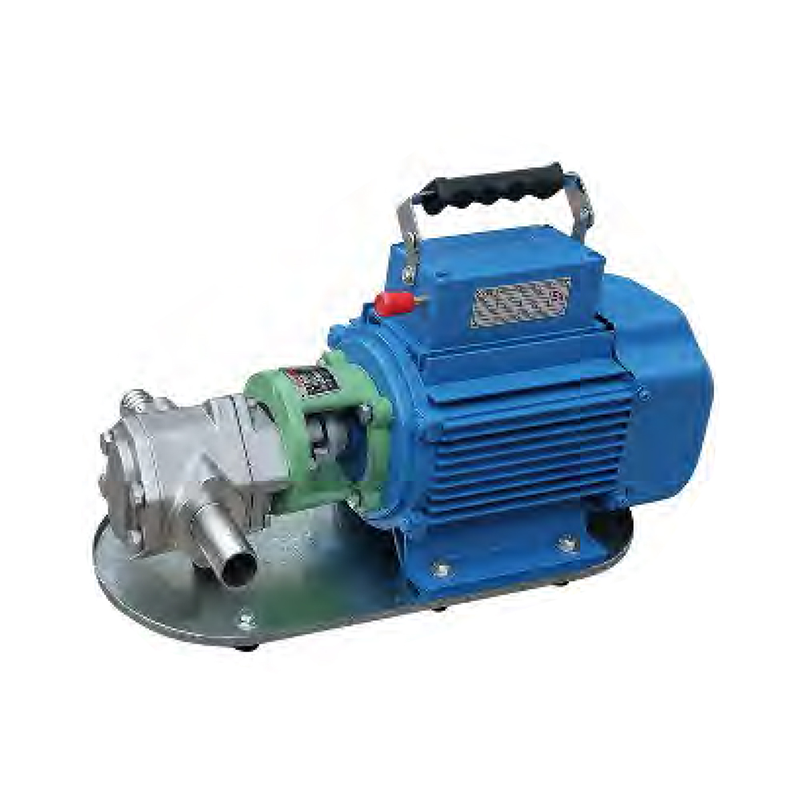
Sliding vane pumps are widely used in industrial, chemical, food, and fuel transfer applications because they are reliable, efficient, and relatively easy to maintain. Maximizing sliding vane pump lifespan is essential for reducing downtime, cutting maintenance costs, and increasing overall process reliability. This guide explains how sliding vane pumps work, the main factors that affect their life expectancy, and the best practices you can use to extend the lifespan of your sliding vane pump.
Table of Contents
- what-is-sliding-vane-pump">What Is a Sliding Vane Pump?
- key-components">Key Components of a Sliding Vane Pump
- advantages">Advantages of Sliding Vane Pumps
- typical-specs">Typical Specifications and Operating Ranges
- factors-lifespan">Key Factors That Influence Sliding Vane Pump Lifespan
- installation">Correct Installation Practices to Extend Pump Life
- operation">Best Operating Practices for Longer Pump Life
- maintenance">Preventive Maintenance for Sliding Vane Pumps
- lubrication">Lubrication and Fluid Compatibility
- monitoring">Condition Monitoring and Performance Tracking
- troubleshooting">Common Problems and Troubleshooting Tips
- optimization">Optimization Tips to Maximize Pump Efficiency and Life
- checklist">Practical Checklist to Extend Sliding Vane Pump Lifespan
- faq">Frequently Asked Questions
1. What Is a Sliding Vane Pump?
A sliding vane pump is a positive displacement pump that uses a rotor with radial slots and sliding vanes to move fluid. As the rotor turns inside an eccentric (offset) cavity in the pump casing, the vanes slide in and out of the slots, creating sealed chambers that increase and decrease in volume. This action draws fluid into the pump inlet, traps it between the vanes, and then pushes it toward the discharge.
Because it is a positive displacement pump, a sliding vane pump delivers a nearly constant flow rate at a given speed, regardless of discharge pressure variations (within its design limits). This makes it ideal for applications requiring consistent volumetric output, accurate metering, or reliable transfer across a broad range of viscosities.
1.1 Basic Working Principle
- The rotor is mounted eccentrically inside the pump casing.
- Vanes slide radially in rotor slots and maintain contact with the casing wall.
- As the rotor turns, chambers between adjacent vanes expand on the suction side, creating a vacuum that draws fluid in.
- On the discharge side, chamber volume decreases, forcing fluid out of the discharge port.
- The cycle repeats each rotation, delivering a continuous, pulsation-minimized flow.
Understanding how the sliding vane pump works is the first step in learning how to extend its service life. Each component that participates in this pumping cycle must be supported with proper installation, operation, and maintenance to achieve long pump life.
2. Key Components of a Sliding Vane Pump
To extend the lifespan of your sliding vane pump, you need to know the critical parts that wear, how they interact, and which conditions accelerate their degradation.
Key Components of a Sliding Vane Pump
Component |
Function |
Impact on Pump Lifespan |
|---|
Pump Casing (Housing) |
Encloses the rotor and vanes, forms the pumping chamber, provides inlet and outlet connections. |
Wear or erosion reduces efficiency and increases internal leakage, shortening pump life. |
Rotor |
Rotating element with slots that hold the vanes and create the pumping chambers. |
Excessive wear can cause vane sticking or poor sealing, leading to reduced performance. |
Vanes |
Sliding elements that maintain contact with the casing and create sealed compartments. |
Vane wear or breakage is a primary limiting factor for sliding vane pump lifespan. |
End Plates (Side Covers) |
Close the pump cavity axially and support the shaft via bearings. |
Surface wear increases axial leakage and reduces volumetric efficiency. |
Bearings |
Support the shaft and rotor, maintain alignment. |
Bearing failure causes vibration, misalignment, and rapid wear of vanes and seals. |
Mechanical Seal / Packing |
Prevents process fluid from leaking along the pump shaft. |
Seal failures can lead to leakage, contamination, and shaft damage. |
Relief Valve (Internal or External) |
Protects the pump from overpressure by bypassing excess flow. |
Incorrect settings or sticking valves can cause overload and damage. |
Shaft |
Transmit torque from the driver (motor or engine) to the rotor. |
Overload, misalignment, or corrosion can lead to shaft fatigue and breakage. |
Each of these components has a direct influence on the overall sliding vane pump life expectancy. Targeted maintenance and careful operation prolong the life cycle of the rotor, vanes, and other internal parts, thereby extending the lifespan of the sliding vane pump as a whole.
3. Advantages of Sliding Vane Pumps
Understanding the inherent strengths of sliding vane technology helps you take full advantage of the pump’s capabilities while avoiding operating conditions that can reduce its life.
- Self-priming capability: Sliding vane pumps can create a strong suction lift, enabling them to handle empty lines and draw fluid up from below the pump.
- Excellent suction performance: They handle low NPSH (Net Positive Suction Head) conditions better than many other pump designs.
- Wide viscosity range: From low-viscosity solvents to high-viscosity oils, sliding vane pumps can maintain good volumetric efficiency.
- Steady, low-pulsation flow: Unlike many reciprocating positive displacement pumps, sliding vane pumps offer relatively smooth flow with reduced pulsation.
- Good dry-run tolerance (within limits): Some vane materials can withstand brief dry-running, though continuous dry-running should always be avoided to extend lifespan.
- Reversible flow direction: Many sliding vane pumps can be reversed simply by changing rotation direction, offering installation and process flexibility.
- Ease of maintenance: Internal components are often accessible without disconnecting pipework, streamlining routine inspection and repair.
To maximize the lifespan of a sliding vane pump, take advantage of these characteristics while respecting design limits related to pressure, temperature, speed, and fluid type.
4. Typical Specifications and Operating Ranges
Sliding vane pump specifications vary by manufacturer and model, but most industrial units fall within general performance ranges. These ranges are important when planning operating conditions that favor long life and stable performance.
Typical Sliding Vane Pump Specifications
Parameter |
Typical Range |
Notes (Impact on Lifespan) |
|---|
Flow Rate |
5 to 1,500+ L/min (1 to 400+ GPM) |
Operating close to rated flow typically minimizes internal recirculation and wear. |
Discharge Pressure |
Up to 15–20 bar (220–290 psi) for many models |
Consistent operation above design pressure rapidly reduces pump life. |
Viscosity Range |
0.3 to 20,000+ cSt (depending on design) |
Extremely low or high viscosities affect lubrication and can increase vane wear. |
Temperature Range |
-20°C to 230°C (-4°F to 446°F), model-dependent |
High temperature can affect vane material, seal life, and lubricant properties. |
Speed |
Up to 1,800–3,600 rpm for small pumps, lower for large sizes or high viscosity |
Excessive speed increases friction, heat, and cavitation risk. |
Maximum Suction Lift |
Up to 7–8 m (23–26 ft) with proper priming |
Operating with marginal NPSH increases cavitation and internal damage. |
Construction Materials |
Cast iron, ductile iron, stainless steel, composite alloys |
Material compatibility with fluid is essential to prevent corrosion and erosion. |
Vane Materials |
Carbon graphite, composite, metal, polymer |
Correct vane material selection greatly affects sliding vane pump lifespan. |
For maximum sliding vane pump life expectancy, always operate within the recommended ranges for pressure, temperature, viscosity, speed, and suction conditions listed in the pump documentation.
5. Key Factors That Influence Sliding Vane Pump Lifespan
Several interrelated factors determine how long your sliding vane pump will operate before requiring overhaul or replacement. Addressing each factor proactively is the foundation for extending pump life.
5.1 Fluid Characteristics
- Viscosity: Very low viscosity fluids provide poor lubrication and may increase friction and wear on vanes and casing. Very high viscosity fluids can overload the pump and increase power consumption.
- Abrasive content: Solids or abrasive particles act like sandpaper, eroding the casing, rotor, and vanes, leading to rapid loss of efficiency and shortened life.
- Chemical compatibility: Corrosive fluids attack metallic and non-metallic components. Long-term exposure to incompatible chemicals significantly shortens pump life.
- Lubricity: Fluids with good lubricating properties generally extend the life of vanes and bearings, while poor-lubricating fluids require careful material selection.
5.2 Operating Conditions
- Speed (rpm): Running at excessive speed increases friction, heat generation, and cavitation risk, leading to accelerated vane and bearing wear.
- Pressure: Operating above the design differential pressure overworks the pump, causing overheating, deformation, or seal failure.
- Temperature: High temperatures can affect clearances, reduce lubricant viscosity, and degrade elastomers and vane materials.
- NPSH and suction conditions: Inadequate NPSH or excessive suction lift leads to cavitation, pitting, and vibration.
5.3 Installation Quality
- Alignment: Poor alignment between pump and driver causes excessive bearing loads and vibration that shorten pump life.
- Foundation rigidity: Inadequate base or structural support increases vibration, loosening, and mechanical stress.
- Piping layout: Excessive loads from misaligned or unsupported pipework can distort casing and cause premature failures.
5.4 Maintenance Practices
- Lubrication routines: Incorrect type or insufficient lubrication damages bearings and internal surfaces.
- Inspection frequency: Infrequent inspections allow small issues like seal leaks or noise to develop into major damage.
- Component replacement: Delayed replacement of vanes or seals reduces efficiency and can cause collateral damage.
5.5 Operator Behavior
- Dry-running: Sustained operation without fluid quickly damages vanes, seals, and bearings.
- Frequent start/stop cycles: Repeated cycling at high frequency increases mechanical and thermal stress.
- Ignoring alarms: Running through vibration, temperature, or pressure alarms increases the risk of catastrophic failure.
Controlling these factors is essential to increasing sliding vane pump life expectancy and achieving reliable long-term operation.
6. Correct Installation Practices to Extend Pump Life
Proper installation is one of the most effective ways to extend the lifespan of a sliding vane pump. A correct foundation, alignment, and piping design significantly reduce mechanical stress and operational issues.
6.1 Foundation and Mounting
- Install the sliding vane pump on a rigid, level foundation that can handle the pump and driver weight plus dynamic loads.
- Use grouting and properly sized anchor bolts to secure the baseplate and prevent movement during operation.
- Ensure that baseplate shimming and leveling are completed before final alignment.
6.2 Shaft Alignment
- Perform a precise alignment between the pump and driver shafts using dial indicators or laser alignment tools.
- Check both angular and parallel alignment in horizontal and vertical planes.
- Recheck alignment after the system has reached operating temperature, as thermal expansion can shift alignment.
6.3 Piping and Suction Design
- Support pipework independently; do not use the pump nozzles as structural supports for the piping.
- Minimize the number of elbows and restrictions on the suction side to reduce pressure drop.
- Use adequately sized suction lines; undersized suction piping increases velocity and can cause cavitation.
- Install isolation valves and strainers where appropriate, ensuring that strainers are accessible for regular cleaning.
- Maintain straight runs into the pump inlet where possible to improve flow conditions.
6.4 System Protection Devices
- Install a pressure relief valve in the discharge line if the pump is not equipped with an internal bypass, or if the internal relief is not suitable as system protection.
- Use appropriate instrumentation such as pressure gauges, flow meters, temperature sensors, and vibration sensors to monitor operating conditions.
- Consider adding soft starters or variable frequency drives (VFDs) to control acceleration and deceleration, reducing mechanical stress.
Attention to these installation details results in smoother operation, less vibration, and a significantly longer sliding vane pump lifespan.
7. Best Operating Practices for Longer Pump Life
Once your sliding vane pump is correctly installed, disciplined operating practices will keep it running reliably and extend its life.
7.1 Start-Up Procedures
- Verify that suction and discharge valves are in the correct position before starting (typically suction valve fully open, discharge valve partially open or as specified by system design).
- Prime the pump if required, ensuring that the pump casing is filled with fluid before startup.
- Start the pump with the discharge valve slightly throttled if recommended, and gradually open it as pressure stabilizes.
- Monitor pressure, flow, and amperage during the first minutes of operation to identify abnormalities.
7.2 Normal Operation
- Operate the sliding vane pump within the specified speed, pressure, and temperature limits from the product documentation.
- Avoid prolonged operation at zero flow (dead-heading). Even with a relief valve, continually bypassing fluid generates heat and shortens pump life.
- Maintain stable suction conditions and avoid frequent changes in suction pressure or fluid level.
- Listen regularly for unusual noises that may indicate cavitation, vane chatter, or bearing problems.
7.3 Shutdown Procedures
- Gradually reduce speed or close discharge valve (depending on system design), then stop the pump.
- Close suction and discharge valves when required by safety or process procedures.
- If the pump is handling fluids that can solidify, flush the pump and lines with a suitable cleaning or neutralizing fluid.
Consistent, careful operation significantly increases sliding vane pump life expectancy and reduces unplanned downtime.
8. Preventive Maintenance for Sliding Vane Pumps
A structured preventive maintenance program is central to extending the lifespan of a sliding vane pump. Regular inspection and timely part replacement prevent minor wear from turning into major failures.
8.1 Routine Inspection Tasks
Establish a regular inspection frequency based on operating hours, process criticality, and historical performance. Typical daily or weekly checks include:
- Check for abnormal noise or vibration during operation.
- Inspect for external leaks at seals, gaskets, and connections.
- Monitor bearing temperature and casing temperature.
- Record discharge pressure, flow rate, and motor amperage.
- Verify that suction strainers or filters are clean.
8.2 Periodic Maintenance Activities
Depending on your operating schedule, these tasks may be performed monthly, quarterly, or annually:
- Check condition of couplings and realign if necessary.
- Inspect and lubricate bearings according to manufacturer guidelines.
- Open the pump (during planned shutdown) to inspect rotor, vanes, casing, and endplates for wear patterns.
- Measure clearances and vane lengths and compare them with original specifications.
- Replace seals, gaskets, and worn vanes before they fail catastrophically.
8.3 Recommended Maintenance Intervals (Example)
Example Preventive Maintenance Schedule for Sliding Vane Pumps
Interval |
Tasks |
Impact on Lifespan |
|---|
Daily / Each Shift |
Check pressure, noise, vibration, temperature, and visible leaks. |
Early detection of abnormal conditions prevents severe damage. |
Monthly |
Inspect suction strainer, check lubrication levels, verify relief valve operation. |
Maintains clean suction and avoids overloads. |
Quarterly |
Inspect coupling and alignment, review trending data from condition monitoring. |
Reduces misalignment-related wear and vibration. |
Annually (or during major shutdown) |
Open pump, inspect and measure vanes, rotor, casing; replace worn components, overhaul seals. |
Resets wear, restores efficiency, and significantly extends service life. |
8.4 Documentation and Records
- Maintain detailed records of all inspections, repairs, and parts replacements.
- Track running hours and correlate them with vane and seal wear to refine maintenance intervals.
- Use data to adjust your maintenance strategy and optimize sliding vane pump life expectancy.
9. Lubrication and Fluid Compatibility
Lubrication and fluid compatibility directly affect the lifespan of sliding vane pumps. These pumps often rely on the pumped fluid for lubrication of internal surfaces, so understanding fluid properties is critical.
9.1 Role of Lubrication in Sliding Vane Pumps
- Reduces friction between vanes, rotor, casing, and endplates.
- Protects surfaces from scoring, galling, and micro-welding.
- Dissipates heat generated by mechanical work and friction.
- Helps maintain proper clearances and prevent metal-to-metal contact.
9.2 Choosing Compatible Fluids
- Verify corrosion resistance of casing, rotor, and vanes against the process fluid.
- Consider the solvent, pH, and temperature when evaluating chemical compatibility.
- Check elastomer compatibility for seals, gaskets, and O-rings.
- If the fluid has poor lubricity (e.g., some solvents or light hydrocarbons), consult documentation for special vane materials or lubrication approaches.
9.3 Bearing and Gearbox Lubrication
- Follow manufacturer recommendations for lubrication type (oil or grease), viscosity grade, and change intervals.
- Do not over-lubricate bearings with grease; too much grease causes excessive heat and can shorten bearing life.
- Keep lubricant reservoirs clean and sealed to avoid contamination with water, dust, or process fluid.
Attention to lubrication quality and fluid compatibility is one of the most effective ways to extend sliding vane pump lifespan while maintaining high efficiency.
10. Condition Monitoring and Performance Tracking
Condition monitoring allows you to detect early signs of wear or misoperation before catastrophic failure occurs. Implementing a simple monitoring program can significantly extend the lifespan of sliding vane pumps.
10.1 Key Parameters to Monitor
- Discharge pressure: Sudden drops can indicate increased internal leakage or vane wear; unexpected spikes may suggest blockages or closed valves.
- Flow rate: Gradual decreases over time often reflect internal wear and declining volumetric efficiency.
- Motor current (amperage): Increases can indicate higher friction, viscosity changes, or mechanical binding.
- Vibration: Rising vibration levels may signal imbalance, misalignment, or bearing deterioration.
- Noise: New or louder noise may indicate cavitation, vanes chattering, or contact between rotating and stationary parts.
- Temperature: High bearing or casing temperatures show increased friction or other operating issues.
10.2 Data Trending and Analysis
- Record baseline values when the pump is new or after overhaul.
- Track key parameters over time and plot them to identify trends.
- Set alarm and trip thresholds for parameters like vibration, temperature, and pressure.
- Use trend data to schedule maintenance proactively before failure occurs.
10.3 Advanced Monitoring Options
- Install permanent vibration sensors and connect them to a plant monitoring system.
- Use thermal imaging cameras to identify hot spots and misalignment.
- In critical installations, implement condition-based maintenance strategies based on monitored data rather than fixed intervals.
Proactive condition monitoring is an essential element of any strategy to extend sliding vane pump life expectancy.
11. Common Problems and Troubleshooting Tips
Even with good maintenance, issues can still arise. Knowing how to diagnose and correct common problems quickly will minimize damage and extend pump life.
Common Sliding Vane Pump Problems and Causes
Symptom |
Possible Causes |
Corrective Actions |
|---|
Low flow or no flow |
- Blocked or closed suction/discharge valves
- Suction strainer clogged
- Vanes worn or stuck in rotor slots
- Incorrect rotation direction
- Air leaks in suction line
|
- Check and open valves
- Clean strainers
- Inspect and replace vanes
- Verify rotation direction
- Locate and seal suction leaks
|
Excessive noise or vibration |
- Cavitation due to low NPSH
- Misalignment between pump and driver
- Damaged bearings
- Loose foundation bolts
|
- Improve suction conditions, reduce speed
- Realign pump and driver
- Replace bearings
- Tighten and re-grout if necessary
|
Overheating |
- Operation at high differential pressure
- Inadequate lubrication
- Prolonged operation against closed discharge
- Fluid viscosity higher than design
|
- Reduce system resistance
- Check lubricant type and level
- Avoid dead-heading, verify relief valve function
- Adjust operating speed or pump selection
|
Leakage at shaft seal |
- Seal faces worn
- Incorrect seal material for fluid/temperature
- Shaft runout or misalignment
- Pressure spikes exceeding seal rating
|
- Replace mechanical seal
- Use compatible seal materials
- Correct shaft alignment
- Install surge protection or adjust valves
|
Rapid vane wear |
- Abrasive particles in the fluid
- Incorrect vane material
- Insufficient fluid lubrication
- Operation at excessive speed
|
- Add or improve filtration
- Select suitable vane material
- Review fluid properties and operating conditions
- Reduce operating speed
|
Responding quickly to these symptoms helps prevent secondary damage and protects the overall lifespan of the sliding vane pump.
12. Optimization Tips to Maximize Pump Efficiency and Life
Beyond basic maintenance and correct operation, several optimization steps can improve both the efficiency and lifespan of a sliding vane pump.
12.1 Select the Right Pump Size and Speed
- Choose a sliding vane pump that operates near its Best Efficiency Point (BEP) at your typical flow and pressure.
- Avoid oversizing; an oversized pump operating far from design conditions can experience more wear and energy waste.
- Use variable frequency drives (VFDs) to adjust speed for changing process conditions, keeping within recommended ranges.
12.2 Optimize Suction Conditions
- Ensure adequate Net Positive Suction Head Available (NPSHa) with proper tank levels and suction piping design.
- Minimize suction line restrictions and avoid high inlet velocities.
- Keep suction strainers clean to prevent pressure loss and cavitation.
12.3 Use Appropriate Materials and Vane Designs
- Select vane materials based on fluid lubricity, abrasiveness, and temperature.
- Consider special coatings or hardened materials for highly abrasive or corrosive services.
- Use high-quality seals and bearings matched to your application environment.
12.4 Implement Energy-Efficient Operation
- Operate the pump at the lowest practical speed and pressure that meet process requirements.
- Eliminate unnecessary bypassing or throttling that wastes energy and accelerates wear.
- Monitor energy consumption as an indicator of process and pump health.
An optimized and well-monitored installation not only reduces energy cost but also extends the sliding vane pump life expectancy significantly.
13. Practical Checklist to Extend Sliding Vane Pump Lifespan
The following concise checklist brings together the most important actions for extending the lifespan of your sliding vane pump.
13.1 Installation Checklist
- Rigid, level foundation and properly grouted baseplate.
- Accurate shaft alignment between pump and driver.
- Properly supported and aligned suction and discharge piping.
- Adequately sized suction line with minimal restrictions.
- Relief valve installed and correctly set.
13.2 Operation Checklist
- Operate within specified pressure, temperature, viscosity, and speed limits.
- Avoid prolonged dry-running and dead-heading.
- Follow proper startup and shutdown procedures.
- Monitor key indicators: pressure, flow, noise, vibration, temperature.
13.3 Maintenance Checklist
- Regularly inspect vanes, rotor, casing, and endplates for wear.
- Maintain clean, compatible lubrication for bearings and gearboxes.
- Check and clean suction strainers and filters.
- Replace seals, gaskets, and vanes at planned intervals.
- Keep detailed maintenance and performance records.
13.4 Monitoring and Optimization Checklist
- Trend pressure, flow, temperature, and vibration data over time.
- Set alarm thresholds and respond immediately to abnormal readings.
- Adjust speed and operating conditions to keep the pump near its best efficiency operating point.
- Review performance data periodically to refine maintenance schedules and operating parameters.
Using this checklist as part of your routine helps ensure that your sliding vane pump delivers maximum lifespan and reliability.
14. Frequently Asked Questions About Sliding Vane Pump Lifespan
14.1 How long should a sliding vane pump last?
The practical sliding vane pump life expectancy varies widely depending on operating conditions, fluid characteristics, and maintenance practices. In well-designed systems with proper maintenance, sliding vane pumps can run for many years between major overhauls. Pumps in harsh, abrasive, or high-temperature services may require more frequent vane or seal replacements to maintain performance.
14.2 How often should vanes be replaced?
Vane replacement intervals depend on operating hours, fluid abrasiveness, and operating conditions. Some pumps may require new vanes after several thousand hours, while others may last significantly longer. The best approach is to track vane wear during inspections and correlate it with operating time to determine a site-specific replacement schedule that balances reliability and cost.
14.3 Can sliding vane pumps run dry?
Sliding vane pumps are more tolerant of brief dry-running than many other pump types, especially if equipped with self-lubricating vane materials. However, continuous or extended dry-running should be avoided because it generates excessive heat, increases friction, and can rapidly damage vanes, seals, and bearings. Limiting dry-running is crucial for extending the lifespan of a sliding vane pump.
14.4 How do I know if my pump is cavitating?
Common signs of cavitation in sliding vane pumps include high-pitched noise, rattling or crackling sounds, vibration, reduced flow, and fluctuating discharge pressure. Prolonged cavitation causes pitting on internal surfaces and reduces pump life. If cavitation is suspected, improve suction conditions by reducing speed, increasing suction pipe diameter, minimizing restrictions, or raising fluid level at the suction source.
14.5 What is the best way to extend sliding vane pump lifespan?
To extend the lifespan of a sliding vane pump, follow these core strategies:
- Install the pump correctly on a rigid base with proper alignment and piping support.
- Ensure operation within specified limits for pressure, speed, viscosity, and temperature.
- Maintain good suction conditions to avoid cavitation and dry-running.
- Implement a preventive maintenance program with routine inspection and timely replacement of vanes and seals.
- Monitor performance indicators such as pressure, flow, vibration, and temperature, and respond promptly to abnormalities.
By combining proper design, installation, operation, and maintenance, you can maximize sliding vane pump life expectancy, reduce unplanned downtime, and achieve reliable, efficient operation in demanding industrial environments.
This guide is intended as general industry information about sliding vane pumps. For specific design limits, procedures, and safety instructions, always refer to the technical documentation supplied with your particular sliding vane pump model.
```

 Pусский
 ???????
 中文
中文








 Phone
Phone
Comment
(0)