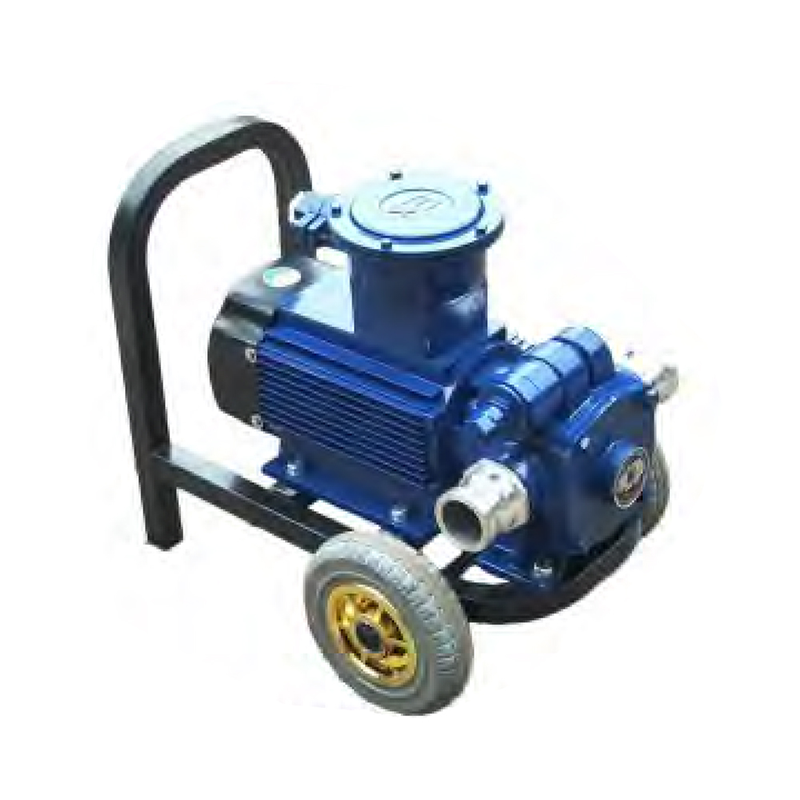
How to Extend Gear Pump Lifespan in High-Temperature Operations
Gear pumps are widely used in industrial fluid handling because they deliver steady flow, strong pressure capability, and reliable performance in demanding applications. In high-temperature operations, however, gear pump lifespan can be reduced quickly if heat management, fluid selection, installation, and maintenance practices are not properly controlled. For plants that rely on continuous operation, understanding how to extend gear pump lifespan in high-temperature operations is essential for reducing downtime, improving efficiency, and lowering total operating costs.
This guide provides SEO-friendly, industry-generic information on gear pump durability, thermal limitations, high-temperature pump protection, and practical maintenance strategies. It is written for use in blog posts, category pages, industrial landing pages, and technical resource sections. The content focuses on universal best practices, standard definitions, advantages, specifications, and comparison tables without mentioning any specific brands or companies.
What Is a Gear Pump?
A gear pump is a positive displacement pump that moves fluid by trapping it between the teeth of rotating gears and the pump housing, then forcing it from the inlet to the outlet. Because the pump moves a fixed amount of fluid per rotation, gear pumps are known for stable flow, simple construction, and dependable performance across a wide range of industrial applications.
Gear pumps are commonly used for oils, fuels, lubricants, resins, polymers, chemicals, and other viscous or semi-viscous fluids. Their design makes them especially useful where flow consistency matters more than extremely high volume. In high-temperature operations, gear pumps are often selected for their ability to handle hot, thick, or thermally sensitive media, provided the correct materials and operating conditions are used.
Why High Temperature Reduces Gear Pump Lifespan
High temperature affects gear pump lifespan in multiple ways. Heat changes fluid viscosity, increases mechanical wear, stresses seals, and can accelerate component fatigue. If the pump is exposed to elevated temperatures for long periods, several failure modes become more likely.
- Reduced lubrication: Some fluids thin out at higher temperatures, which can reduce the lubricating film between moving parts.
- Seal degradation: Elastomeric seals and packing materials may harden, soften, shrink, or crack under heat.
- Thermal expansion: Metal components expand when hot, potentially changing internal clearances and increasing friction.
- Oxidation and fluid breakdown: Heat can cause oils and process fluids to oxidize or degrade, producing deposits and varnish.
- Higher wear rates: Elevated temperatures can lead to more rapid tooth wear, shaft wear, bearing wear, and housing damage.
- Cavitation risk: If fluid properties change or suction conditions worsen, vapor formation can increase and damage internal surfaces.
For this reason, high-temperature gear pump operation requires a complete system approach, not just a durable pump body. Temperature control, fluid compatibility, correct installation, and preventive maintenance all play a role in long-term reliability.
Key Factors That Influence Gear Pump Lifespan in Hot Environments
To extend gear pump lifespan in high-temperature operations, it is important to understand the main factors that determine pump durability. These include fluid properties, temperature range, duty cycle, pressure load, contamination level, speed, and maintenance frequency.
| Factor | Impact on Gear Pump Lifespan | Risk in High-Temperature Service |
| Fluid viscosity | Affects lubrication, sealing, and volumetric efficiency | Too low or too high viscosity can increase wear |
| Operating temperature | Changes material behavior and fluid stability | Heat accelerates seal failure and internal wear |
| Pressure differential | Influences load on gears, shafts, and bearings | Excess pressure raises stress and heat generation |
| Suction conditions | Impacts inlet filling and cavitation resistance | Poor suction can cause vapor locking and erosion |
| Material selection | Determines resistance to thermal expansion and chemical attack | Incompatible materials fail earlier under heat |
| Contamination | Causes abrasion, scoring, and blockage | Particles become more damaging in hot, thin fluids |
| Maintenance quality | Detects problems early and prevents catastrophic failure | Neglected systems wear out faster in extreme heat |
Benefits of Gear Pumps in High-Temperature Applications
Even though high heat can shorten service life, gear pumps remain popular in thermal processing environments because they offer several important advantages.
- Consistent flow: Positive displacement design supports stable delivery even with viscous fluids.
- Compact footprint: Gear pumps are often easier to integrate into tight industrial systems.
- Good performance with thick media: They are well suited to oils, polymers, adhesives, and similar materials.
- Simple construction: Fewer moving parts can improve reliability when properly maintained.
- Pressure capability: Gear pumps can support moderate to high pressure applications.
- Predictable operation: Flow is closely linked to speed, making control easier in process systems.
These advantages make gear pumps a practical choice for high-temperature transfer, circulation, dosing, and processing duties, especially when the installation is designed with heat resistance in mind.
How to Extend Gear Pump Lifespan in High-Temperature Operations
Extending gear pump lifespan in high-temperature operations depends on reducing thermal stress and minimizing wear. The following best practices are widely used across industrial settings and can significantly improve service life when applied consistently.
1. Select the Right Pump Materials
Material selection is one of the most important factors in high-temperature pump longevity. Pump housings, gears, shafts, bushings, seals, and gaskets must all tolerate the actual operating temperature and the characteristics of the pumped fluid. Materials should be chosen based on heat resistance, corrosion resistance, and mechanical strength.
In hot service, metal parts may need to resist thermal deformation, while seal materials must retain flexibility and chemical stability. Using incompatible materials can lead to premature wear, leakage, and costly shutdowns.
2. Keep Fluid Viscosity Within the Recommended Range
Gear pumps depend on fluid viscosity for lubrication and sealing. If the fluid becomes too thin at elevated temperature, internal leakage can increase and protective lubrication can decrease. If the fluid becomes too thick, suction performance may drop and mechanical load may rise.
The optimal viscosity range should be maintained as closely as possible during operation. In many applications, preheating or controlled cooling is used to keep the fluid at a stable and pump-friendly viscosity level.
3. Control Operating Temperature
Temperature control is critical for long gear pump service life. Even if the process fluid must be hot, the pump itself should not be exposed to unnecessary heat concentration. Good system design can reduce localized overheating around bearings, seals, and housing surfaces.
Common temperature control measures include thermal insulation, heat shielding, cooling jackets, temperature sensors, and controlled process start-up procedures. Reducing thermal shock is just as important as reducing maximum temperature.
4. Prevent Cavitation and Vapor Lock
Cavitation is a major cause of pump damage, especially in high-temperature operations where vapor pressure is elevated. If the suction side cannot supply enough fluid, vapor bubbles may form and collapse violently, causing erosion, noise, vibration, and reduced lifespan.
To reduce cavitation risk, ensure proper inlet sizing, minimize suction lift, avoid excessive suction losses, and keep the system free from blockages. Stable inlet conditions are essential for durable gear pump operation.
5. Optimize Speed and Pressure
Running a gear pump too fast or under excessive pressure can significantly increase internal heat generation and wear. Higher speed may improve output, but it also raises friction, can reduce inlet filling efficiency, and may shorten component life.
The pump should operate within manufacturer-recommended pressure and speed limits for the application class. If the system regularly runs near maximum load, consider redesigning the circuit or using a pump rated for a higher duty cycle.
6. Improve Filtration and Contamination Control
Contamination is especially harmful in high-temperature systems because thin hot fluids may allow particles to circulate more freely through tight internal clearances. Dirt, scale, metal fragments, and degraded fluid residues can score gears, wear bearings, and damage seals.
Installing proper filtration, monitoring filter condition, and keeping the fluid clean can dramatically improve gear pump lifespan. Cleanliness becomes even more important in heat-intensive operations where wear can accelerate quickly.
7. Use Proper Seals and Gaskets
Seal failure is a common issue in hot applications. Standard sealing materials may not withstand prolonged exposure to elevated temperatures, particularly when combined with aggressive fluids. Select high-temperature-compatible seals and inspect them regularly for signs of hardening, cracking, compression set, or leakage.
A seal that is acceptable in a moderate-temperature system may fail early in thermal service. Matching the seal to the real process conditions is one of the simplest ways to improve pump lifespan.
8. Ensure Correct Alignment and Installation
Misalignment between pump, motor, and coupling components increases mechanical stress and can lead to vibration, bearing wear, and seal damage. Thermal expansion can make alignment drift more pronounced in hot environments, so installation must account for both cold and hot operating conditions.
Proper baseplate support, alignment checks, and rigid mounting reduce strain on the pump and help maintain stable long-term performance.
9. Avoid Dry Running
Dry running is extremely damaging to gear pumps. Without sufficient fluid, gears and bearings lose lubrication, internal surfaces heat up rapidly, and wear can occur within a very short time. In high-temperature operations, dry running risk may be even more serious because the system already operates near thermal limits.
Use low-level protection, flow monitoring, or start-up procedures that confirm fluid presence before the pump reaches full speed.
10. Establish Preventive Maintenance Intervals
Preventive maintenance is one of the most effective ways to extend gear pump lifespan. Regular inspection can identify small issues before they turn into major failures. Typical maintenance tasks include checking seals, measuring vibration, monitoring temperature, inspecting bearings, verifying pressure, and analyzing fluid condition.
High-temperature systems usually require shorter maintenance intervals than standard systems because wear rates are higher and thermal stress accumulates faster.
Recommended Maintenance Checklist for High-Temperature Gear Pumps
The following checklist provides a practical framework for routine pump care. It can be adapted to different industries, fluids, and temperature ranges.
| Maintenance Task | Recommended Frequency | Purpose |
| Inspect seal condition | Weekly to monthly | Detect leakage, hardening, or cracking early |
| Check bearing temperature | Weekly or during each shift | Identify overheating and lubrication problems |
| Monitor vibration and noise | Weekly | Reveal misalignment, wear, or cavitation |
| Inspect fluid cleanliness | Monthly | Reduce abrasion and deposit formation |
| Verify suction conditions | Monthly | Prevent inlet starvation and vapor formation |
| Check coupling alignment | Quarterly or after shutdown | Reduce mechanical stress from thermal movement |
| Review pressure and flow data | Regularly | Detect performance drift before failure |
| Replace worn consumables | As needed | Maintain sealing and mechanical integrity |
Common Signs of Wear in High-Temperature Gear Pumps
Recognizing early warning signs can help prevent unplanned downtime. In hot operations, wear often develops gradually before a complete failure occurs.
- Reduced flow or unstable output
- Rising discharge pressure loss
- Unusual noise, ticking, or grinding
- Excess vibration
- Visible leakage around shafts or covers
- Higher operating temperature than normal
- Changes in motor current or power consumption
- Scoring, discoloration, or residue buildup inside components
If any of these symptoms appear, the system should be inspected promptly. Early intervention is usually much less expensive than waiting for a full pump failure.
Specification Overview for High-Temperature Gear Pump Selection
When selecting or evaluating a gear pump for hot service, the following specification categories are commonly reviewed. Actual values vary by design and application, but these fields help determine whether the pump is suitable for long-term use.
| Specification | What It Means | Why It Matters in High-Temperature Operations |
| Maximum operating temperature | The highest temperature the pump can tolerate continuously or intermittently | Critical for thermal durability and safe operation |
| Fluid viscosity range | Approved viscosity window for efficient pumping | Maintains sealing, lubrication, and flow stability |
| Pressure rating | Maximum recommended working pressure | Prevents overload and premature internal wear |
| Speed range | Minimum and maximum rotational speed | Influences heat generation and inlet performance |
| Seal material | Type of sealing element used in the pump | Determines resistance to heat and chemical exposure |
| Gear and housing material | Construction materials for wetted components | Affects thermal expansion, wear resistance, and compatibility |
| Drive type | Motor, gearbox, or coupling arrangement | Influences alignment stability and load management |
| Cooling option | Passive or active method of heat reduction | Useful for extending service life in hot environments |
Gear Pump Design Features That Improve Heat Resistance
Certain design features can improve pump durability in hot applications. These features help manage heat, reduce wear, and maintain flow consistency over long operating periods.
- High-temperature materials: Reduce deformation and thermal damage.
- Precision machining: Supports tight clearances and efficient fluid transfer.
- Enhanced bearing support: Improves shaft stability under load.
- Improved sealing system: Reduces leakage and keeps contaminants out.
- Thermal expansion tolerance: Helps maintain internal balance during heating cycles.
- Cooling provisions: May include jackets, fins, or circulation paths to control heat.
- Robust shaft design: Minimizes deflection, vibration, and premature wear.
When these features are combined with correct operation and regular maintenance, gear pump lifespan can be significantly improved, even in challenging high-temperature environments.
Best Practices for Gear Pump Operation in High-Temperature Service
The following operational practices can help protect the pump and improve reliability in thermal applications:
- Start the system slowly to avoid thermal shock and pressure spikes.
- Preheat or stabilize the fluid if the process requires controlled viscosity.
- Monitor inlet pressure to prevent cavitation and starvation.
- Avoid sudden load changes that can increase stress on gears and bearings.
- Keep the surrounding area clean to reduce contamination risk.
- Record operating temperature, pressure, and vibration trends over time.
- Replace worn components before they cause secondary damage.
- Use a preventive maintenance schedule based on actual operating severity.
These best practices are especially valuable in continuous-duty processes where even small performance losses can lead to major efficiency problems over time.
Comparison Table: Standard Operation vs High-Temperature Operation
The table below highlights the main differences between normal service and hot-service operation for gear pumps.
| Aspect | Standard Operation | High-Temperature Operation |
| Fluid behavior | More stable viscosity and lubrication | Viscosity may drop, reducing lubrication |
| Seal life | Generally longer and more predictable | Shorter unless high-temp materials are used |
| Thermal stress | Moderate | High, especially during start-up and shutdown |
| Cavitation risk | Lower under good inlet conditions | Higher due to elevated vapor pressure |
| Maintenance need | Routine | More frequent and more detailed |
| Material requirements | Standard industrial materials may be sufficient | Heat-resistant and compatible materials are necessary |
| Wear rate | Normal | Often accelerated without protection measures |
Industries That Commonly Use Gear Pumps in Hot Conditions
Gear pumps are used in many industries where fluids must be transferred, circulated, or metered under elevated temperatures. Typical industry applications include:
- Petrochemical processing
- Lubrication systems
- Polymer and resin handling
- Bitumen and asphalt transfer
- Food and ingredient heating systems
- Thermal oil circulation
- Paint, coating, and adhesive production
- General chemical processing
In each of these applications, the pump must be matched to the temperature profile, fluid chemistry, and duty cycle to ensure reliable service.
FAQ: Extending Gear Pump Lifespan in High-Temperature Operations
What is the biggest cause of gear pump failure in hot service?
The most common causes include overheating, poor lubrication, seal degradation, cavitation, contamination, and incorrect material selection. These issues often work together, so improving only one area may not be enough.
Can a gear pump run continuously at high temperature?
Yes, many gear pumps can run continuously in high-temperature environments if they are properly designed, installed, and maintained. The key is to keep the pump within its rated temperature, pressure, and speed limits.
How often should a high-temperature gear pump be inspected?
Inspection frequency depends on severity of service, fluid type, and operating hours. In demanding hot applications, weekly checks for temperature, vibration, leaks, and pressure trends are often recommended, with more detailed inspections scheduled regularly.
Does cooling always improve gear pump life?
Cooling can help, but it must be applied correctly. Too much cooling may affect fluid viscosity or process performance. The goal is to reduce harmful thermal stress while maintaining the required process temperature.
Why is viscosity so important?
Viscosity affects lubrication, sealing, efficiency, suction performance, and wear. If the fluid becomes too thin at high temperature, the pump may lose internal efficiency and wear faster.
Conclusion: Best Way to Extend Gear Pump Lifespan in High-Temperature Operations
Extending gear pump lifespan in high-temperature operations requires more than choosing a rugged pump. Long service life depends on the full system: proper material selection, controlled fluid viscosity, temperature management, clean fluid, correct alignment, cavitation prevention, and a disciplined maintenance program. When these factors are addressed together, gear pumps can deliver stable flow, reliable pressure, and long-term durability even in demanding thermal environments.
For industries that rely on continuous process performance, gear pump lifespan is directly connected to operating efficiency and production uptime. By following the best practices in this guide, plant operators and engineers can reduce wear, prevent failure, and improve total lifecycle value in high-temperature applications.

 Pусский
 ???????
 中文
中文








 Phone
Phone
Comment
(0)