Flow Control Techniques for Urea Pump Systems
Flow control techniques for urea pump systems play a critical role in modern fluid handling applications where precision, reliability, and chemical compatibility are essential. In industries such as diesel exhaust aftertreatment, agricultural chemical dosing, industrial fluid transfer, and automated process systems, urea pump systems must deliver stable, accurate flow under changing pressure, temperature, and operating conditions. A well-designed flow control strategy improves dosing accuracy, reduces waste, protects system components, and supports consistent process performance.
This page provides an SEO-friendly, industry-focused overview of urea pump flow control, including definitions, common techniques, system components, technical advantages, design considerations, and a structured specification table. The content is written for general educational and commercial use and avoids any company-specific recommendations. It is suitable for blogs, category pages, product cluster pages, and industry landing pages.
What Is a Urea Pump System?
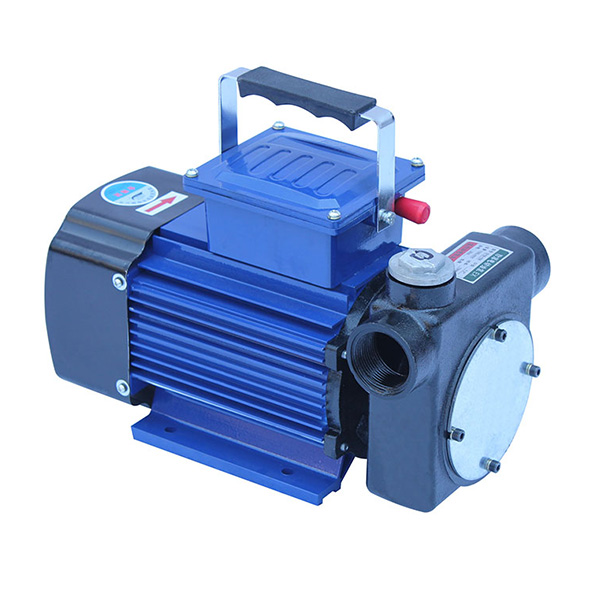
A urea pump system is a fluid delivery assembly designed to move urea solution from a storage tank or reservoir to a target application point with controlled pressure and flow. In many industrial contexts, urea refers to an aqueous solution used for dosing, chemical processing, or emissions reduction. The pump system is typically paired with valves, sensors, controllers, filters, and flow regulation devices to ensure accurate fluid delivery.
In exhaust aftertreatment applications, the pump system supplies urea-based solution to a dosing module. In other industrial systems, it may transfer urea solution into mixing, injection, or treatment equipment. Because urea solution has specific handling requirements, the pump must maintain stable performance while minimizing crystallization, clogging, pulsation, and pressure fluctuations.
Why Flow Control Matters in Urea Pump Systems
Flow control in urea pump systems is necessary because the application demand is rarely constant. Pressure changes, viscosity variations, line resistance, temperature shifts, and intermittent duty cycles can all affect delivery performance. Without proper flow management, the system may overfeed or underfeed fluid, creating process inefficiency, dosing errors, and maintenance problems.
Effective flow control techniques help achieve:
- Stable and accurate dosing
- Reduced pressure spikes and pulsation
- Lower wear on pump seals and internal parts
- Improved response to load changes
- Better protection against crystallization and blockage
- More efficient energy use
- Consistent performance over a wide operating range
For applications where precision is critical, flow control is not simply a performance enhancement. It is a foundational requirement for system reliability and process quality.
Core Flow Control Techniques for Urea Pump Systems
There are several common flow control techniques for urea pump systems. The best method depends on the required flow rate, pressure range, system architecture, fluid characteristics, and control goals. In many designs, multiple techniques are combined to create a complete flow management strategy.
1. Variable Speed Pump Control
Variable speed control adjusts pump output by changing motor speed. This is one of the most widely used approaches because it offers precise modulation over flow delivery. When the motor speed increases, flow increases; when speed decreases, flow drops accordingly.
This method is especially useful for applications requiring dynamic adjustment based on demand. It supports energy efficiency, smooth ramp-up and ramp-down behavior, and better compatibility with automated control systems.
Advantages of variable speed control:
- Accurate flow adjustment
- Reduced energy consumption
- Less mechanical stress at startup
- Simple integration with electronic controllers
- Improved system responsiveness
Variable speed control is commonly implemented using a frequency drive, pulse-width modulation, or other motor control methods depending on the pump type and system architecture.
2. Pressure-Based Flow Regulation
Pressure-based regulation uses system pressure as the control variable. A pressure sensor monitors the delivery line, and the controller adjusts pump operation to maintain the target pressure range. This technique is useful when downstream flow behavior is strongly influenced by pressure conditions.
In urea pump systems, stable pressure helps reduce flow instability and supports accurate dosing to the injection or transfer point. Pressure control also helps prevent excessive loading on hoses, fittings, and valves.
Benefits of pressure-based regulation:
- Supports consistent delivery pressure
- Protects downstream components
- Helps reduce leakage risk
- Improves dosing repeatability
3. Closed-Loop Flow Control
Closed-loop flow control uses feedback from a flow sensor or related measurement device. The controller compares actual flow with the desired setpoint and continuously adjusts pump speed, valve position, or pressure to minimize error.
This is one of the most precise urea pump flow control techniques, particularly in systems where exact dosing is essential. Closed-loop systems can adapt to changing operating conditions in real time.
Key benefits:
- High dosing accuracy
- Automatic correction of flow deviations
- Improved consistency under variable conditions
- Reduced dependence on manual adjustment
Closed-loop control is often used where application requirements are strict and process stability is a priority.
4. Open-Loop Flow Control
Open-loop control regulates flow without direct feedback from the process. The system operates based on predetermined parameters such as speed, pressure, duty cycle, or timing. While less accurate than closed-loop control, it is simpler and often more economical.
Open-loop flow control is suitable for applications where demand is predictable and the acceptable tolerance range is wider. It may also be used as a backup or initial control method in hybrid designs.
Advantages of open-loop control:
- Lower system complexity
- Reduced hardware requirements
- Easier configuration and maintenance
- Cost-effective for basic applications
5. Pulsation Damping
Many pump types naturally create pulsating flow, especially positive displacement designs. Pulsation can cause instability in the line, inaccurate dosing, vibration, noise, and stress on fittings. Pulsation damping reduces these fluctuations and creates smoother delivery.
Common pulsation control methods include accumulator use, damping chambers, flexible hoses, optimized valve timing, and controller smoothing logic. In urea pump systems, pulsation damping is especially important because crystallization and flow interruption can be worsened by unstable movement.
Pulsation damping benefits:
- Smoother flow output
- Reduced vibration and noise
- Better measurement reliability
- Lower component fatigue
6. Recirculation and Bypass Control
Recirculation or bypass flow control routes part of the fluid back to the reservoir or a return line. This technique helps manage pressure, prevent overheating, and maintain minimum circulation through the system. It is often used when the pump must keep running while downstream demand is low.
In urea pump systems, recirculation can also help reduce stagnation, which is important because stagnant urea solution may crystallize over time. By keeping fluid moving, the system remains cleaner and more reliable.
Benefits:
- Maintains minimum flow conditions
- Reduces dead zones and stagnation
- Helps stabilize system pressure
- Supports thermal and chemical stability
7. Solenoid Valve Timing Control
In some systems, flow is managed not only by the pump but also by the opening and closing timing of solenoid valves. Precise valve timing allows fluid to be released in controlled pulses or intervals. This technique is useful for intermittent dosing and sequence-based operation.
Valve timing can be synchronized with engine load, process cycles, sensor output, or programmed control logic. It is commonly used in compact systems where full variable-speed control may not be necessary.
Advantages:
- Fast response time
- Simple control logic
- Good for intermittent operation
- Supports precise dosing sequences
8. Differential Pressure Control
Differential pressure control maintains a target pressure difference across a component, such as a filter, valve, or flow restriction element. This approach is useful when flow depends on maintaining a stable pressure gradient.
In urea pump systems, differential pressure control can help protect filters, reduce clogging risk, and maintain predictable line behavior. It is particularly valuable in systems with varying downstream resistance.
Main benefits:
- Supports stable flow through restrictive elements
- Improves filter performance monitoring
- Helps identify blockage or line issues
- Protects sensitive components
Major Components Involved in Urea Pump Flow Control
To understand flow control techniques for urea pump systems, it is important to recognize the core components that enable accurate regulation. These parts work together to sense, control, and deliver fluid in a stable way.
| Component | Function | Flow Control Role |
| Pump body | Moves urea solution through the system | Primary source of flow generation |
| Motor or drive unit | Provides mechanical power to the pump | Enables speed-based flow adjustment |
| Flow sensor | Measures actual fluid flow | Supports closed-loop control |
| Pressure sensor | Measures system pressure | Supports pressure regulation |
| Control module | Processes input signals and control logic | Coordinates flow response |
| Valves | Open, close, or divert fluid paths | Manage timing, direction, and bypass flow |
| Filter | Removes particles and contamination | Helps maintain stable flow and prevent blockage |
| Accumulator or damping chamber | Absorbs pressure spikes and pulsation | Smooths output flow |
| Hoses and fittings | Transport fluid between components | Affect resistance, pressure loss, and flow stability |
Technical Challenges in Urea Pump Flow Control
Urea pump systems face several technical challenges that make flow control more complex than in ordinary liquid transfer systems. A reliable control strategy must account for these issues to maintain performance over time.
Crystallization Risk
Urea solution can crystallize when exposed to unsuitable temperatures, stagnation, or evaporation. Crystals can block lines, restrict flow, and damage valves or sensors. Flow control techniques that maintain movement, temperature stability, and flushing can help reduce this risk.
Viscosity Variation
Fluid viscosity may change with temperature and concentration. Even small changes can alter pump behavior and delivered flow. Closed-loop control and speed adjustment help compensate for these variations.
Pulsation and Pressure Instability
Some pumps create non-uniform output, which can lead to pulsation. Without damping or control correction, this may cause inaccurate dosing and unstable operation.
Line Resistance and Pressure Loss
Long hoses, narrow tubes, filters, and restrictive valves increase resistance. As resistance changes, the actual flow may deviate from the intended setpoint. Pressure monitoring and feedback control help manage this issue.
Start-Stop Operation
Frequent stopping and starting can create pressure spikes, air entry, and unstable flow. Soft-start logic, ramp control, and bypass circulation can improve operational smoothness.
Common Flow Control Strategies by Application
Different applications require different urea pump flow control methods. The following table summarizes common use cases and preferred techniques.
| Application Type | Typical Flow Control Approach | Primary Objective |
| Automotive dosing systems | Closed-loop flow control with pressure monitoring | Accurate dosing and stable injection |
| Industrial transfer systems | Variable speed control with bypass regulation | Flexible delivery across multiple load conditions |
| Batch processing systems | Timed valve control and flow setpoint programming | Repeatable batch dosing |
| Continuous treatment systems | Closed-loop flow regulation with sensor feedback | Continuous stability and low deviation |
| Low-demand circulation systems | Recirculation and minimum-flow control | Prevent stagnation and crystallization |
| Compact embedded systems | Open-loop speed control with timing logic | Simplified and space-efficient flow management |
Advantages of Proper Flow Control in Urea Pump Systems
Implementing the right flow control techniques for urea pump systems provides both operational and economic benefits. These advantages apply across industries that depend on reliable chemical transfer and accurate dosing.
- Higher accuracy: Flow is delivered closer to the target amount, reducing underdosing and overdosing.
- Improved reliability: Stable operation reduces unexpected shutdowns and process interruptions.
- Longer service life: Lower pulsation and smoother control reduce wear on pumps, seals, and valves.
- Reduced maintenance: Better flow management limits clogging, buildup, and component stress.
- Energy savings: Variable speed and demand-based regulation reduce unnecessary power use.
- Better chemical handling: Circulation and control reduce stagnation and crystallization risk.
- System flexibility: Multiple control methods allow adaptation to changing load and process requirements.
Specification Table for Urea Pump Flow Control Systems
The following table provides a general technical reference for common urea pump system specifications. Actual values will vary depending on application, fluid properties, system design, and operating environment.
| Specification Category | Typical Range or Description | Notes |
| Flow rate | Low to moderate dosing range, application dependent | Exact value depends on dosing or transfer requirements |
| Pressure range | Low pressure to medium pressure systems | Must match valve, hose, and injector limits |
| Control type | Open-loop, closed-loop, pressure-based, variable speed | Often combined for best performance |
| Feedback sensors | Flow, pressure, temperature, level | Selection depends on precision requirements |
| Fluid type | Urea solution or aqueous urea-based fluid | Compatibility with wetted materials is essential |
| Operating temperature | Application specific, often controlled to reduce crystallization | Thermal management improves stability |
| Pump style | Positive displacement, diaphragm, gear, or other compatible types | Choice affects pulsation and control method |
| Control response | Fast to moderate, depending on automation level | Higher responsiveness improves dynamic regulation |
| Maintenance focus | Clog prevention, seal inspection, line flushing, calibration | Important for long-term consistency |
Material Compatibility Considerations
Because urea solution can be sensitive to contamination, temperature variation, and prolonged contact with certain materials, compatibility is an important part of any urea pump flow control system. Materials used in wetted components should resist corrosion, scaling, and degradation while supporting smooth fluid movement.
Designers commonly evaluate:
- Resistance to chemical attack
- Low tendency to crystallize or retain residue
- Smooth internal surfaces for easier cleaning
- Temperature stability
- Seal durability under repeated cycling
Material selection affects not only durability but also flow stability. Incompatible materials can contribute to blockage, contamination, and uneven flow behavior over time.
Best Practices for Optimizing Urea Pump Flow Control
To improve performance and reliability, several best practices should be followed when designing or operating urea pump flow control systems.
Maintain Stable Operating Conditions
Temperature and pressure stability reduce fluid variation and improve control accuracy. Avoid unnecessary cycling and excessive environmental fluctuation where possible.
Use Feedback Where Precision Is Required
For applications needing high dosing accuracy, closed-loop control with flow or pressure feedback is strongly preferred. Real-time correction improves consistency.
Minimize Dead Zones
Dead zones are areas where fluid can stagnate. Reducing stagnant volumes helps prevent crystallization and keeps the system responsive.
Choose the Right Pump Technology
Different pump types create different flow characteristics. Select the pump design that best matches the desired flow profile, pressure level, and control strategy.
Incorporate Damping and Protection
Use pulsation dampers, filters, and bypass paths when needed to protect the system from pressure surges and unstable output.
Plan for Maintenance and Calibration
Even the best control system requires periodic inspection and calibration. Sensors, valves, and filters should be checked regularly to maintain accurate flow delivery.
How Flow Control Supports SEO-Relevant Industry Topics
For businesses and publishers creating industry pages, the topic of flow control techniques for urea pump systems connects naturally to several related search themes. These include urea dosing systems, pump flow regulation, closed-loop control, pressure control valves, chemical transfer systems, pulsation damping, and precision fluid handling.
Using these related phrases throughout an informational page can help search engines understand the page context and relevance. However, strong SEO performance also depends on clear structure, useful tables, keyword variety, and genuinely informative content. Search engines typically favor pages that answer user intent with practical explanations rather than keyword stuffing alone.
Frequently Used Keywords in This Topic Area
Below is a keyword-focused reference list for content planning, semantic coverage, and internal page optimization.
| Primary Keyword | Supporting Keyword Variations | Search Intent |
| Flow control techniques for urea pump systems | Urea pump flow control, urea pump regulation, urea dosing flow management | Informational / commercial research |
| Closed-loop flow control | Feedback control, automatic flow adjustment, real-time flow regulation | Technical understanding |
| Variable speed pump control | Motor speed regulation, adjustable flow output, demand-based pumping | Performance and efficiency |
| Pulsation damping | Flow smoothing, pressure stabilization, vibration reduction | System stability |
| Urea dosing system | Urea delivery system, chemical injection system, fluid dosing assembly | Application overview |
Conclusion
Flow control techniques for urea pump systems are essential for achieving accuracy, stability, and long-term reliability in fluid transfer and dosing applications. Whether the system uses variable speed regulation, pressure-based control, closed-loop feedback, recirculation, or pulsation damping, the goal remains the same: deliver the right amount of fluid at the right time under changing operating conditions.
By understanding the available control methods, key components, common challenges, and practical optimization strategies, engineers, buyers, and technical readers can better evaluate system performance and design requirements. A properly controlled urea pump system helps reduce waste, protect equipment, improve dosing consistency, and support efficient operations across multiple industries.
If you are building an industry page, category page, or technical blog post, this topic offers strong SEO potential because it combines high-intent technical keywords with useful educational value. Structured headings, keyword-rich explanations, and table-based formatting make the content easier to scan, index, and rank.

 Pусский
 ???????
 中文
中文








 Phone
Phone
Comment
(0)