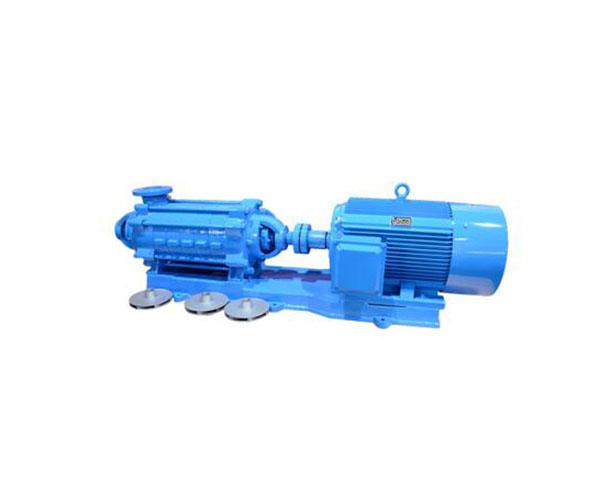
Key Considerations When Purchasing a Urea Pump
A urea pump is a critical component in modern diesel exhaust aftertreatment systems, especially in Selective Catalytic Reduction (SCR) applications. For fleet operators, aftermarket distributors, equipment buyers, and industrial users, choosing the right urea pump directly affects emission compliance, system reliability, dosing accuracy, operational cost, and long-term maintenance performance. Because the urea pump is responsible for delivering diesel exhaust fluid (DEF), AdBlue, or aqueous urea solution with consistent pressure and flow, its specifications and build quality must match the demands of the target application.
This guide provides a comprehensive overview of the key considerations when purchasing a urea pump. It is designed for blog pages, category pages, industry landing pages, and SEO-focused web content. The information below is generic, original, and industry-oriented, with no specific brand recommendations. It includes definitions, benefits, technical factors, compatibility details, and selection criteria to help buyers evaluate the best urea pump for their needs.
What Is a Urea Pump?
A urea pump is a fluid transfer and pressure-generation device used in SCR systems to move urea solution from the tank to the dosing injector. In diesel emission control systems, the pump typically works with filters, sensors, heating elements, control electronics, and pressure regulators to maintain accurate dosing. The pump must handle the chemical properties of urea solution while resisting crystallization, corrosion, and temperature fluctuations.
In many applications, the term urea pump refers to a complete module rather than a standalone pump motor. This module may include a suction side, supply side, return path, pressure control, integrated heater, and diagnostics interface. Some systems are compact and integrated, while others are modular for easier service and replacement.
Why Urea Pump Selection Matters
Selecting the correct urea pump is essential because it influences both emissions performance and total cost of ownership. If the pump is undersized, incompatible, or poorly constructed, the SCR system may suffer from unstable pressure, insufficient dosing, clogging, fault codes, and reduced catalyst efficiency. If the pump is over-specified for the application, buyers may face unnecessary cost, excessive energy use, and installation complexity.
A properly selected urea pump helps ensure:
- Stable DEF or AdBlue delivery pressure
- Accurate urea dosing control
- Reduced risk of crystallization and blockage
- Better cold-weather performance
- Longer service life and lower maintenance frequency
- Improved SCR system reliability and emission compliance
Key Considerations When Purchasing a Urea Pump
1. Application Compatibility
The first and most important factor is application compatibility. A urea pump must match the vehicle type, equipment category, emission system design, and operating duty cycle. Pumps used in passenger vehicles differ from those used in trucks, buses, agricultural machinery, construction equipment, generators, and marine systems.
Buyers should verify whether the pump is intended for:
- Heavy-duty on-road diesel engines
- Light-duty vehicles
- Off-road machinery
- Stationary industrial SCR systems
- Aftermarket replacement use
Matching the pump to the application ensures proper pressure output, duty cycle performance, and control system integration.
2. Flow Rate and Pressure Requirements
Every SCR system has specific flow rate and pressure requirements. The urea pump must provide sufficient pressure to deliver the solution consistently to the dosing unit under all operating conditions. Inadequate pressure may reduce atomization quality and affect NOx reduction efficiency.
Common questions to evaluate include:
- What is the required operating pressure range?
- What is the maximum flow capacity needed?
- Does the system require variable pressure control?
- Can the pump maintain stable output during high-demand operation?
Buyers should choose a urea pump that can support peak demand without excessive wear or pressure fluctuation.
3. Chemical Resistance and Material Compatibility
Urea solution is chemically sensitive and can cause corrosion, scaling, and material degradation if the pump is not designed for the application. For this reason, material compatibility is a major purchasing factor. The wetted components of the pump should be made from materials that can withstand repeated exposure to urea, water, temperature changes, and cleaning cycles.
Typical material requirements may include:
- Corrosion-resistant metals
- Urea-compatible plastics
- Seals resistant to chemical attack
- Anti-crystallization design features
A poorly matched material combination may shorten pump life and increase downtime.
4. Cold Weather and Heating Performance
Urea solution can freeze at low temperatures, so cold weather performance is one of the most important considerations when purchasing a urea pump. Many pumps incorporate heaters, thermal management systems, or insulated layouts to support operation in winter conditions.
Buyers should check:
- Startup behavior at low temperatures
- Heater power and warming speed
- Freeze protection capability
- Recovery time after thawing
- Resistance to repeated freeze-thaw cycles
A urea pump with reliable heating support can reduce system faults and improve uptime in cold climates.
5. Durability and Service Life
A high-quality urea pump should be built for long-term durability. Since SCR systems often operate for extended periods under demanding conditions, the pump must withstand vibration, thermal cycling, pressure fluctuations, and chemical exposure.
Important durability indicators include:
- Robust housing design
- Wear-resistant internal components
- Strong sealing structure
- Reliable electrical connectors
- Low failure rate under continuous use
Buyers seeking lower lifecycle cost should prioritize pumps that offer proven reliability and a strong maintenance profile.
6. Integration With SCR System Components
The urea pump must work seamlessly with the rest of the SCR architecture, including the tank module, lines, filters, dosing injector, ECU, sensors, and heating elements. Compatibility with the control logic and communication protocol is essential for correct operation.
Consider whether the pump supports:
- OEM communication protocols
- Pressure feedback signals
- Diagnostic fault reporting
- Integration with tank level and temperature sensors
- System priming and purging functions
Poor integration may lead to error codes, inconsistent dosing, or installation problems.
7. Maintenance Requirements
Maintenance is a major factor in selecting a urea pump. Some pumps are designed for easier servicing, while others are more integrated and may require module replacement rather than component-level repair. Buyers should evaluate maintenance time, spare part availability, cleaning accessibility, and replacement frequency.
A maintenance-friendly pump may reduce:
- Downtime during service
- Labor cost
- Inventory complexity
- Unexpected repair delays
8. Energy Efficiency
The urea pump should deliver required performance without consuming unnecessary energy. Although the pump may not be the largest energy load in the vehicle, efficiency still matters, especially in fleets and continuous-duty industrial systems.
Efficient pump design helps:
- Reduce electrical load
- Limit heat generation
- Improve overall system efficiency
- Support better battery and alternator performance
9. Noise and Vibration Control
In some applications, especially passenger vehicles and equipment used near operators, noise and vibration can be a significant consideration. A well-designed urea pump should operate smoothly and avoid excessive audible noise, pulsing, or mechanical vibration.
Noise reduction can improve:
- Driver comfort
- Operator experience
- Perceived product quality
- Compatibility with compact vehicle spaces
10. Installation Ease
Buyers should assess how easy the urea pump is to install. Installation complexity affects labor cost, service speed, and risk of assembly errors. A pump with standardized connectors, clear mounting points, and accessible fluid ports is easier to integrate into the system.
Installation-friendly features may include:
- Compact footprint
- Universal mounting options
- Clear inlet and outlet identification
- Preconfigured harness connections
- Self-priming or easy-priming functions
11. Diagnostic and Monitoring Capabilities
Modern SCR systems rely on diagnostics to detect faults quickly. A smart urea pump may include monitoring functions that help identify pressure loss, heater failure, blockages, sensor faults, or electrical issues. These features are valuable for maintenance teams and fleet managers because they reduce troubleshooting time.
Diagnostic support may include:
- Error code reporting
- Real-time pressure monitoring
- Temperature sensing
- Flow monitoring
- Communication with control modules
12. Spare Parts and Replacement Strategy
It is important to consider the availability of spare parts, replacement assemblies, and service kits before purchasing a urea pump. Even a durable product may eventually require seals, filters, heaters, or connectors to be replaced. A good replacement strategy reduces operational disruption.
Buyers should ask:
- Are service parts available separately?
- Is the pump repaired or replaced as a full module?
- How long is the expected lead time for parts?
- Is the design common across multiple applications?
Benefits of Choosing the Right Urea Pump
Choosing the right urea pump provides several practical benefits across the product lifecycle. These advantages affect vehicle performance, compliance, and operating expenses.
| Benefit | How It Helps |
| Accurate Dosing | Ensures precise DEF delivery for efficient NOx reduction |
| Improved Reliability | Reduces breakdowns, pressure loss, and fault codes |
| Lower Maintenance | Minimizes service frequency and repair costs |
| Better Cold-Weather Operation | Supports heating and freeze protection in low temperatures |
| Longer System Life | Reduces wear on injectors, hoses, and control parts |
| Compliance Support | Helps the SCR system meet emission regulations |
Common Types of Urea Pump Configurations
Urea pumps are available in several design configurations. Understanding the differences helps buyers identify the most suitable solution for their system.
| Configuration Type | Description | Typical Use |
| Integrated Module Pump | Combines pumping, heating, filtering, and control functions in one assembly | Compact vehicle systems and OEM installations |
| Standalone Pump Unit | Basic pump assembly used with external control or support components | Custom industrial systems and specialized applications |
| Diaphragm Pump | Uses flexible diaphragm motion to transfer fluid | Systems requiring chemical resistance and stable output |
| Gear Pump | Uses gear rotation to move fluid at a controlled rate | Applications requiring precise and consistent flow |
| Electric Urea Pump | Powered by electrical motor and controlled electronically | Modern SCR systems with advanced diagnostics |
Typical Urea Pump Specifications
The following table shows general specification categories buyers should review when comparing a urea pump. Actual values vary by application, but these items are commonly used in product evaluation.
| Specification | What It Means | Why It Matters |
| Operating Voltage | Electrical input requirement, often 12V or 24V | Must match vehicle or system power architecture |
| Pressure Range | Minimum and maximum fluid pressure output | Affects dosing accuracy and spray quality |
| Flow Rate | Volume of urea solution delivered per unit time | Determines system capacity under load |
| Temperature Range | Environmental operating limits | Important for cold and hot climate performance |
| Material Type | Construction materials for housing and wetted parts | Impacts durability and chemical resistance |
| Ingress Protection | Resistance to dust and moisture | Supports outdoor and harsh-environment use |
| Connector Type | Electrical interface and pin layout | Ensures correct installation and communication |
| Heating Function | Integrated thermal support for freeze protection | Critical for winter operation |
| Priming Capability | Ability to remove air and fill lines after installation | Helps system startup and stable dosing |
| Service Life | Expected operational lifespan under normal conditions | Useful for maintenance planning and cost analysis |
How to Evaluate Urea Pump Quality
When assessing urea pump quality, buyers should look beyond the basic specification sheet. The overall design, manufacturing consistency, and functional reliability matter just as much as rated pressure or flow capacity.
Quality indicators include:
- Consistent pressure output during operation
- Stable flow under variable load conditions
- Reliable heater performance
- High resistance to crystallization and blockage
- Good electrical stability and diagnostic response
- Strong sealing against leaks
- Low noise and smooth mechanical operation
In practical purchasing terms, a quality urea pump is one that works reliably in real-world use, not just under laboratory conditions.
Installation and Compatibility Checklist
Before finalizing a urea pump purchase, it is useful to verify a compatibility checklist. This helps reduce the risk of selecting a unit that fits physically but fails electrically or functionally.
| Checklist Item | Questions to Confirm |
| Voltage Match | Does the pump support 12V or 24V system requirements? |
| Mounting Fit | Will the pump fit the available installation space and bracket layout? |
| Port Compatibility | Are the inlet and outlet sizes compatible with the fluid lines? |
| Electrical Interface | Do connectors and pin assignments match the control system? |
| Pressure Capacity | Can the pump meet the SCR system’s operating pressure needs? |
| Environmental Suitability | Can it handle vibration, moisture, dust, and temperature extremes? |
| Service Access | Is the unit accessible for maintenance and inspection? |
Common Problems Caused by an Incorrect Urea Pump
Purchasing the wrong urea pump can create multiple operational issues. These problems may not appear immediately, but they often become more visible over time as the pump is exposed to heat, pressure, vibration, and chemical load.
| Problem | Possible Cause | Result |
| Low Pressure | Pump undersized or worn out | Weak dosing performance and emission inefficiency |
| Crystallization | Poor material choice or insufficient heating | Blockages and maintenance issues |
| Leakage | Poor sealing or incorrect installation | Fluid loss and contamination |
| Error Codes | Electrical incompatibility or sensor issues | System shutdown or warning alerts |
| Short Service Life | Weak durability or mismatched use case | Frequent replacement and higher costs |
SEO-Friendly Buying Keywords for Urea Pump Content
For content planning and search optimization, the following keywords and related phrases are commonly associated with urea pump purchasing topics. These terms can help structure blog content, category pages, product guides, and FAQ sections.
- urea pump
- urea pump selection
- urea pump buying guide
- SCR urea pump
- diesel exhaust fluid pump
- AdBlue pump
- DEF pump for diesel engines
- urea pump specifications
- urea pump compatibility
- urea pump pressure range
- urea pump flow rate
- urea pump maintenance
- urea pump for trucks
- urea pump for diesel vehicles
- urea pump for SCR systems
Frequently Asked Questions About Urea Pumps
What does a urea pump do?
A urea pump transfers and pressurizes diesel exhaust fluid or urea solution so it can be dosed accurately into the SCR system for emissions control.
Why is pressure important in a urea pump?
Pressure is important because the system needs sufficient force to deliver the fluid consistently and achieve proper atomization and dosing performance.
Can a urea pump work in cold weather?
Yes, but only if it is designed with freeze protection, heater support, and materials that can handle temperature cycling.
What is the difference between a urea pump and a DEF pump?
The terms are often used interchangeably in industry content. Both generally refer to a pump used for diesel exhaust fluid or urea solution in SCR systems.
How do I know if a urea pump is compatible?
Compatibility is determined by voltage, pressure, flow, mounting, connector type, and integration with the SCR control system.
Conclusion
Purchasing a urea pump requires careful attention to application compatibility, pressure and flow requirements, material resistance, heating performance, diagnostics, and long-term durability. Because the pump plays a central role in SCR operation, a well-chosen unit helps maintain emission compliance, reduce maintenance burdens, and improve overall system reliability.
Whether you are building a new emissions control platform, sourcing replacement parts, or creating an industrial equipment product page, understanding the key considerations when purchasing a urea pump will help you make better decisions and produce stronger SEO content. For buyers, the best choice is always the urea pump that matches the system’s real operating conditions, technical requirements, and service expectations.
```

 Pусский
 ???????
 中文
中文








 Phone
Phone
Comment
(0)